 Request a Call Back
 WhatsApp
 +91 9999666611
Studying Data Science in Australia gives students access to globally recognized universities, industry-focused learning, and career opportunities i...

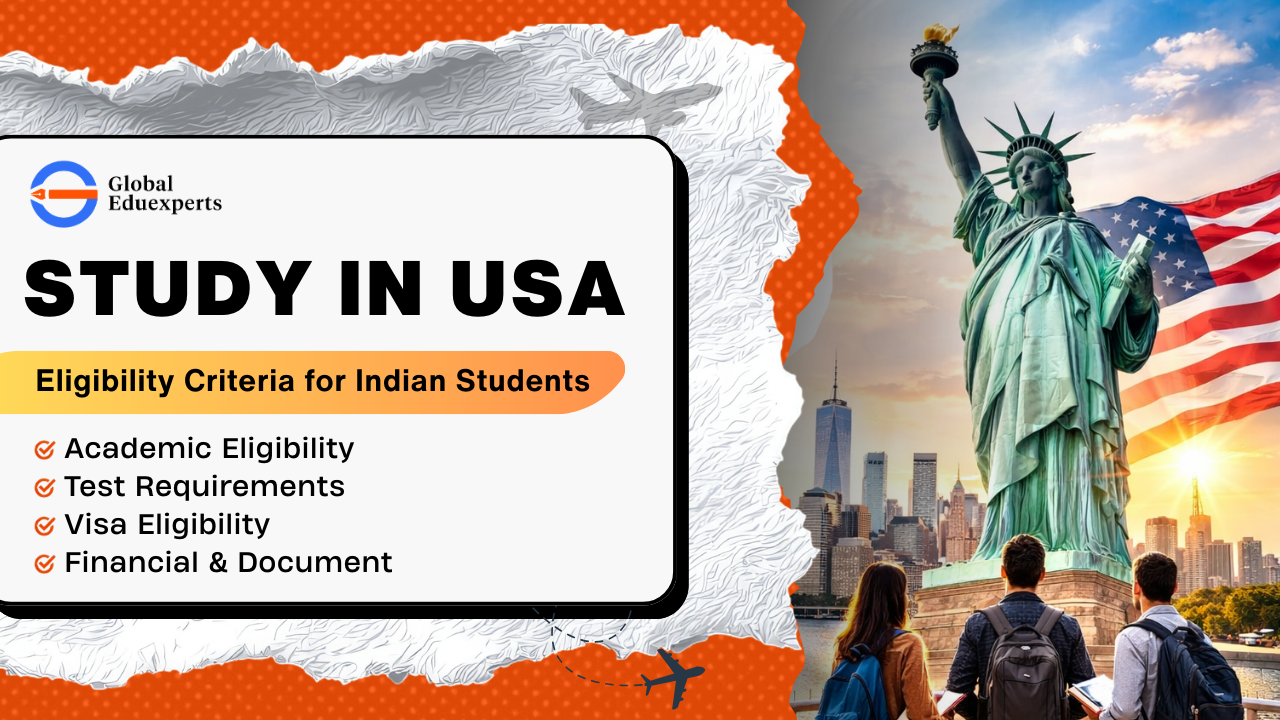
This service helps students understand the eligibility requirements to study in the USA by clearly explaining academic qualifications, English language tests, financial proof, and student visa expectations. It is designed for Indian students, working professionals, and parents who want to evaluate whether their profile meets university and immigration standards before applying. The main outcome is clarity — helping applicants make informed decisions, prepare correct documents, and move forward with a realistic and well-planned USA study journey.
Many students begin their journey with one quiet doubt — am I actually eligible to study in the USA? Some worry their academic scores may not be high enough, others feel unsure about English test requirements, finances, or visa approval chances. In reality, study in USA eligibility criteria are not based on a single factor. Universities and immigration authorities look at a student’s overall readiness. Eligibility usually combines academic qualifications, English language proficiency, financial preparedness, and compliance with student visa rules. These elements help institutions assess whether a student can successfully manage academic rigor, adapt to an international learning environment, and sustain living expenses during their stay.
In the United States education system, admissions are evaluated holistically rather than through rigid cut-offs. Undergraduate applicants are assessed on school performance and subject background, postgraduate candidates are reviewed for academic alignment and career intent, while diploma or pathway students may qualify through flexible entry routes designed to bridge academic gaps. PhD applicants are often evaluated more on research potential than marks alone. This approach means eligibility depends on the overall student profile, not just percentages or test scores. Requirements may vary by institution, program level, and specialization, and policies may also change based on immigration regulations and university admission trends.
Understanding eligibility, therefore, is less about meeting one fixed rule and more about demonstrating preparedness. US universities aim to admit students who show academic intent, communication ability, and realistic planning. When students understand these expectations early, the process becomes clearer — not easier, but far more manageable and strategically planned.
Check full guide: Study in USA
One of the most common concerns students raise is whether their academic scores are “good enough” for admission. Many assume only top-ranked percentages qualify, while others worry about backlogs or differences between Indian grading systems and US evaluation methods. In reality, study in USA eligibility criteria related to academics are more interpretive than fixed. Universities assess whether your previous education prepares you for the academic level you are applying to, rather than judging marks in isolation. A strong overall profile, subject relevance, and consistency across academic years often matter more than a single number.
For undergraduate programs, students typically need completion of 10+2 or an equivalent secondary qualification with relevant subjects aligned to their intended major. Postgraduate applicants are expected to hold a recognized bachelor’s degree in a related field. However, academic eligibility requirements for USA universities vary widely depending on institution type and program competitiveness. Universities convert international percentages into GPA equivalents using internal evaluation systems, meaning a 60–70% score in India may still meet eligibility standards at many institutions. Admission teams review transcripts for subject performance, academic progression, and readiness for advanced coursework rather than relying solely on final percentages.
Backlogs are another area where confusion is common. Many US universities accept applicants with backlogs, provided they fall within acceptable limits and show improvement over time. Evaluation depends on the overall academic profile, including recent performance, project work, internships, or professional experience. Course-specific expectations also play an important role — STEM programs often expect mathematics or technical backgrounds, business programs value analytical and quantitative exposure, while healthcare or research pathways may require prerequisite subjects. Admission standards differ by program competitiveness, and requirements may vary by university, which is why academic eligibility should always be understood as a holistic assessment rather than a strict checklist.
Check full guide: Eligibility Requirements for USA
Many students begin their research with the same questions: Is IELTS mandatory for the USA? Do I need GRE or GMAT for every university? Can I apply without entrance exams? The answer is more flexible than most expect. As part of study in USA eligibility criteria, English language proficiency and entrance tests are used to evaluate academic readiness, but requirements differ widely depending on the university, program level, and applicant profile. US institutions focus less on rigid exam rules and more on whether a student can successfully participate in an English-speaking academic environment.
English language tests such as IELTS, TOEFL, PTE Academic, and increasingly the Duolingo English Test help universities assess communication ability in lectures, research discussions, and written assignments. These exams are not only academic requirements but also support visa compliance by demonstrating language preparedness. Typical score expectations often fall within moderate ranges — for example, IELTS scores around 6.0–7.0 or equivalent alternatives — though score expectations depend on program competitiveness and institutional standards. Some universities may waive tests based on prior education in English-medium institutions or strong academic backgrounds, but such decisions remain institution-specific and policies may change over time.
Standardized entrance exams apply selectively rather than universally. GRE scores are commonly requested for technical, engineering, or research-oriented postgraduate programs, while GMAT may be required for certain MBA courses. Undergraduate applicants may encounter SAT or ACT requirements, though many universities now follow test-optional policies. A noticeable trend across US admissions is profile-based evaluation, where academic performance, projects, internships, and recommendations carry increasing weight alongside test scores. Because USA English test requirements and entrance exam expectations vary by institution, students benefit from viewing exams as one component of a broader eligibility assessment rather than a single deciding factor.
For many students, the visa stage feels like the most stressful part of the journey. Concerns about rejection, interview questions, or financial proof often create uncertainty even after receiving admission. In reality, USA student visa eligibility is not designed to trap applicants but to verify whether a student is genuinely prepared for academic study and temporary residence in the country. Immigration officers evaluate the overall credibility of a student’s profile rather than judging a single document or score, which is why understanding the purpose behind each requirement reduces unnecessary anxiety.
The US student visa process (typically the F-1 visa category) begins with a valid admission offer from a recognized university, reflected through an official document such as the I-20 form. This confirms that a student has secured a legitimate academic pathway. Financial readiness is equally important because authorities must ensure students can manage tuition and living expenses without unauthorized employment. Applicants are also expected to demonstrate genuine academic intent — meaning their chosen course should logically connect with past education or future career direction. The visa interview then becomes a conversation focused on clarity, confidence, and consistency rather than memorized answers.
Preparation plays a major role in avoiding common mistakes. Students sometimes focus only on documentation while overlooking profile coherence, unclear study goals, or unrealistic financial explanations. Strong preparation involves understanding one’s academic plan, funding structure, and long-term intentions before attending the interview. Since USA student visa requirements evolve with immigration policies, eligibility depends on individual circumstances, and approval remains subject to official evaluation. Viewing the visa process as a structured assessment — not a hurdle — helps students approach it with confidence and realistic expectations.
Also read: : USA Visa Eligibility Requirements
One of the biggest concerns students face while planning to study abroad is understanding how much financial proof is actually required and which documents truly matter. Many applicants worry whether savings are sufficient, whether education loans are acceptable, or if missing paperwork could delay admission or visa decisions. In practice, USA financial requirements for students are meant to confirm preparedness — not wealth. Universities and immigration authorities simply need assurance that students can realistically manage tuition, living expenses, and academic commitments without financial instability affecting their studies.
Financial readiness usually involves demonstrating proof of funds that cover at least the first year of education expenses, though expectations may vary by institution or visa category. Acceptable sources commonly include personal savings, family sponsorship, fixed deposits, scholarships, or sanctioned education loans from recognized financial institutions. Sponsors are evaluated based on financial credibility and relationship transparency, while education loans are widely accepted when properly documented. Financial stability plays an important role not only during admission review but also during student visa evaluation, as authorities assess whether the academic plan is financially sustainable over time.
Alongside finances, proper documentation helps universities understand a student’s academic intent and background. A valid passport establishes identity and travel eligibility, academic transcripts demonstrate learning history, and a well-written Statement of Purpose explains motivation and career direction. Letters of Recommendation provide independent academic or professional validation, while English test or entrance exam scores confirm readiness for academic communication. Many delays occur due to inconsistent information, outdated financial statements, or poorly prepared SOPs. Since USA study documents and financial expectations may change based on immigration policies and course location, early preparation and accurate documentation significantly improve clarity throughout the application journey.
After understanding the eligibility requirements, many students realize that knowing the criteria is only the first step. The real challenge often begins when deciding which universities match their profile, whether their academic background is competitive enough, or how to move forward without making costly mistakes. Small uncertainties — choosing the wrong course, submitting incomplete documents, or misunderstanding visa expectations — can slow down the entire process. This is where structured USA study guidance becomes valuable, helping students turn information into clear, practical decisions.
Professional support focuses on evaluating each student’s overall profile rather than judging eligibility based on marks alone. Through personalized profile assessment, students receive guidance on suitable universities, realistic course options, and application strategies aligned with long-term goals. Expert assistance also helps organize documentation, refine Statements of Purpose, and prepare for visa stages with clarity and confidence. Since every academic journey is different, recommendations are personalized based on student goals, and guidance depends on individual profile evaluation rather than fixed formulas.
For students who feel unsure about their next step, a structured USA eligibility consultation can provide direction without pressure. The goal is not to promise outcomes but to reduce confusion and help students plan responsibly before applying. With the right preparation and informed decisions, applicants can approach universities and visa processes more confidently — while understanding that final decisions always remain subject to university admission policies and official immigration authorities.
Please Note: All information is sourced from web and the data may vary. kindly refer to Official or Government websites for the most accurate details.
Explore top ibility universities, MBA, Masters, PhD & nursing courses. Expert study abroad consultants in Noida offering free counseling for ibility education.
Eligibility to study in the USA generally depends on academic qualifications, English language proficiency, financial preparedness, and acceptance from a recognized university. There is no single universal requirement because expectations vary by program and institution. Universities evaluate the overall student profile, including academic consistency, intent of study, and readiness for international education rather than marks alone.
Yes, many universities consider more than just academic percentages. Admissions teams often review improvement trends, relevant projects, work experience, and motivation explained in the Statement of Purpose. While highly competitive universities may have stricter expectations, several institutions assess profiles holistically. Eligibility depends on program competitiveness and how well the student’s background aligns with course requirements.
English language tests are commonly required because universities must ensure students can participate effectively in academic discussions and coursework. However, some institutions may waive IELTS or TOEFL based on prior English-medium education or alternative assessments. Requirements may vary by university and program, so students should always verify current admission policies before applying.
Students typically need to demonstrate funds covering tuition and living expenses for at least the first academic year. Acceptable financial sources may include personal savings, family sponsorship, scholarships, or approved education loans. Financial expectations vary depending on university location and program duration, and immigration authorities assess whether the study plan appears financially sustainable.
Meeting eligibility criteria improves preparation but does not guarantee visa approval. Visa officers evaluate multiple factors, including academic intent, financial stability, and overall credibility of the study plan. Each application is reviewed individually, and decisions remain subject to official immigration evaluation. Proper preparation and clear documentation help reduce risks but cannot ensure outcomes.
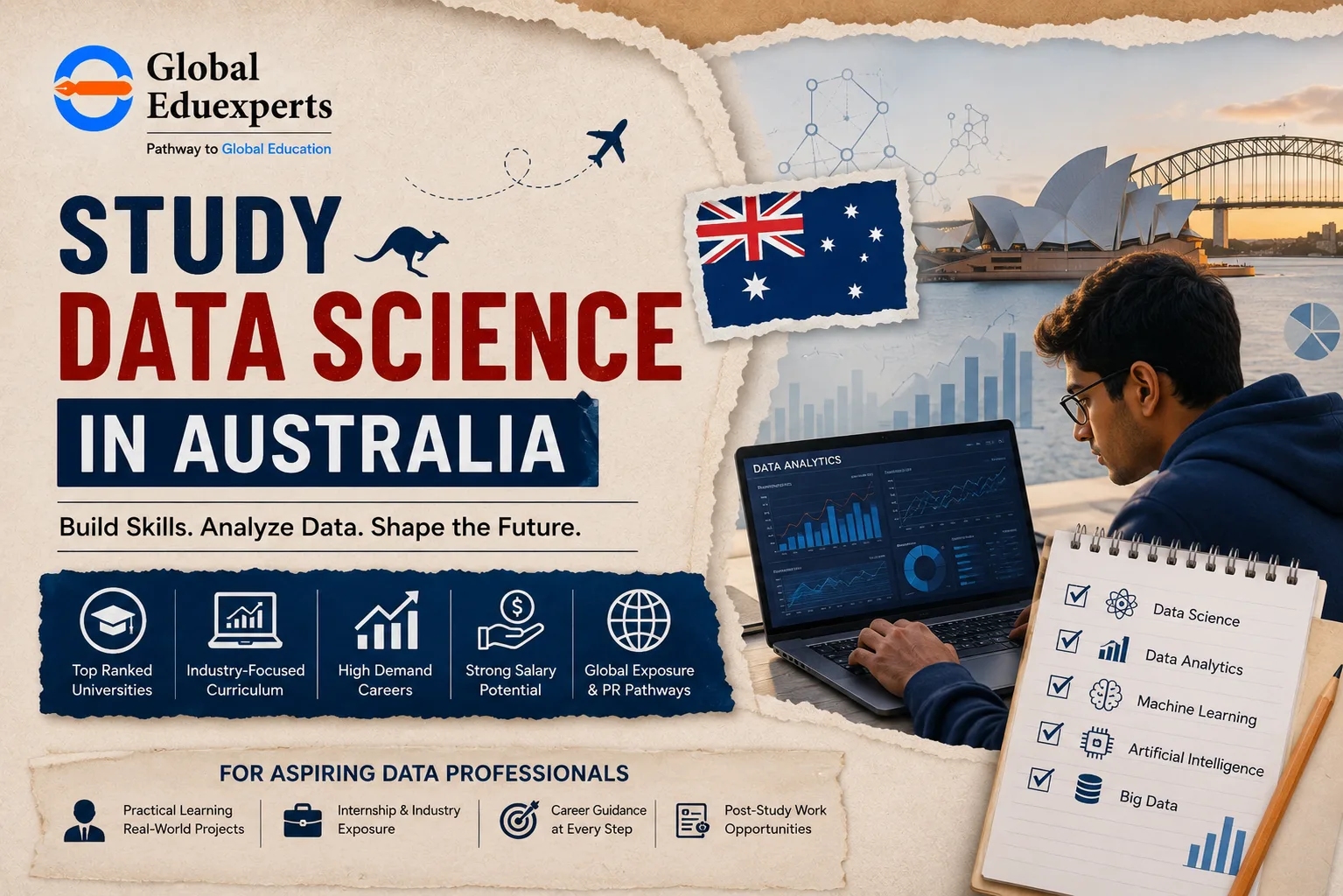
Studying Data Science in Australia gives students access to globally recognized universities, industry-focused learning, and career opportunities i...
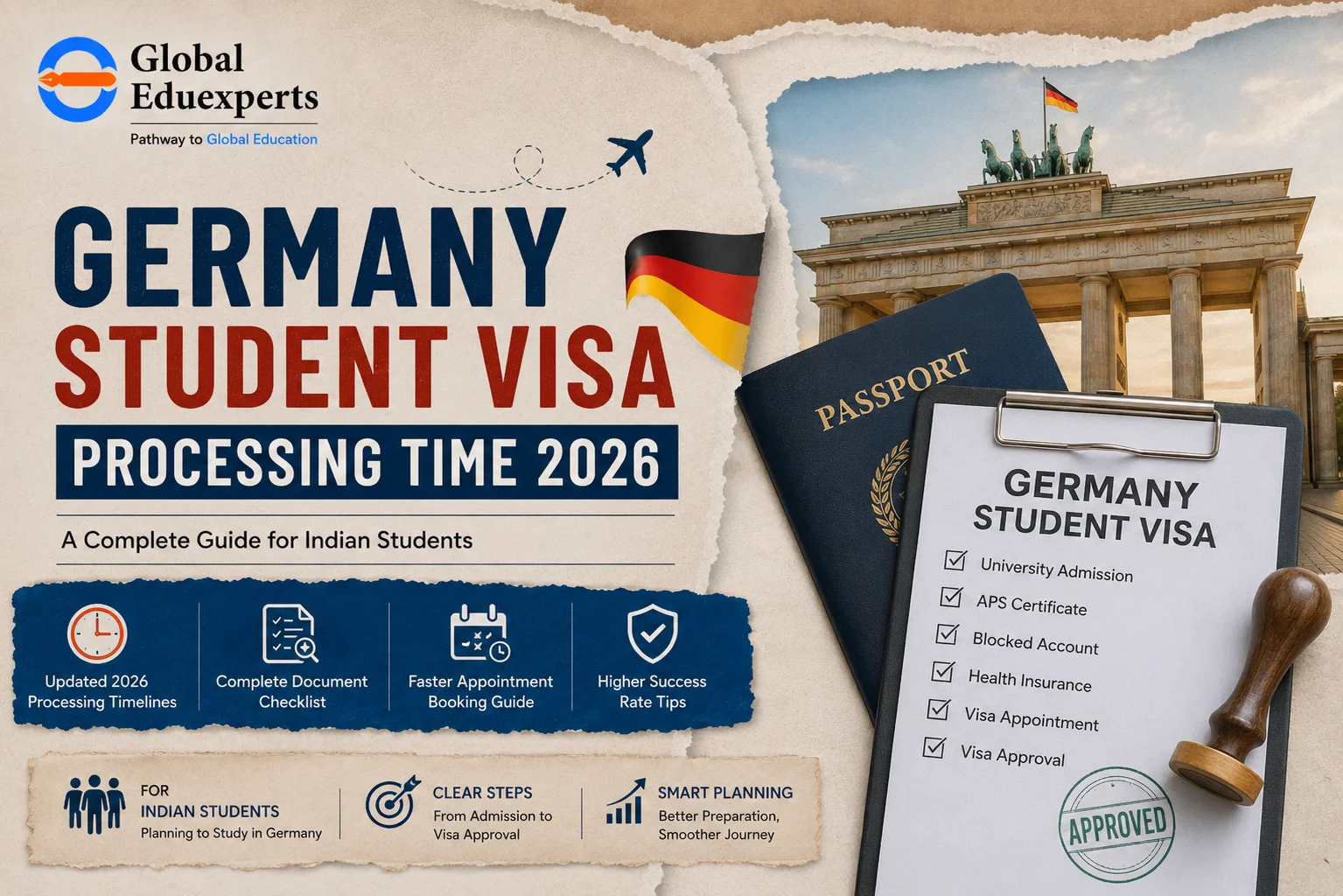
Planning a Germany student visa requires more than submitting an application. It involves understanding the visa processing timeline, preparing the...

Sending a child abroad for higher education involves much more than securing university admission. It requires careful planning around course selec...
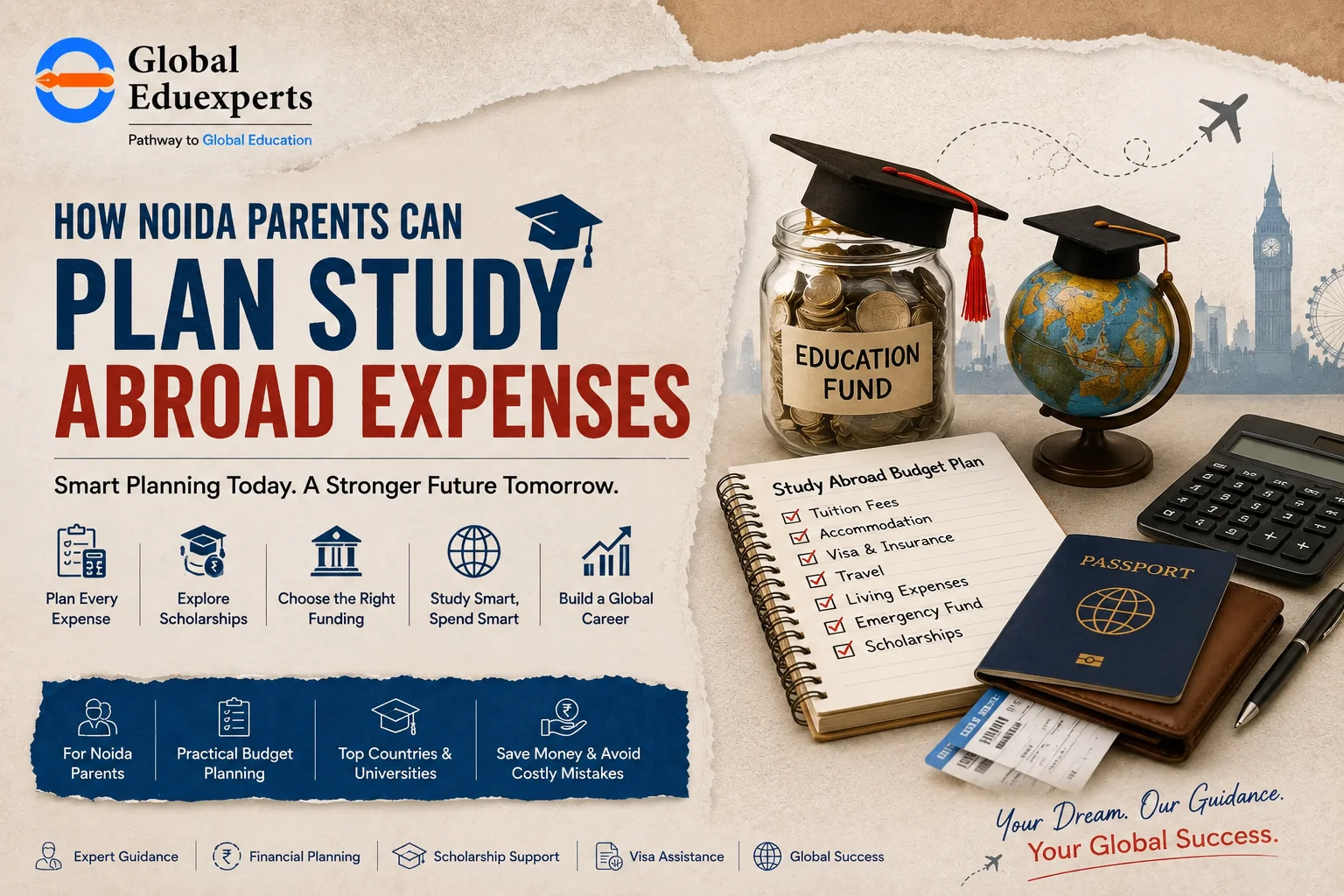
Planning study abroad expenses helps Noida parents make informed financial decisions before their child begins the overseas admission process. By u...
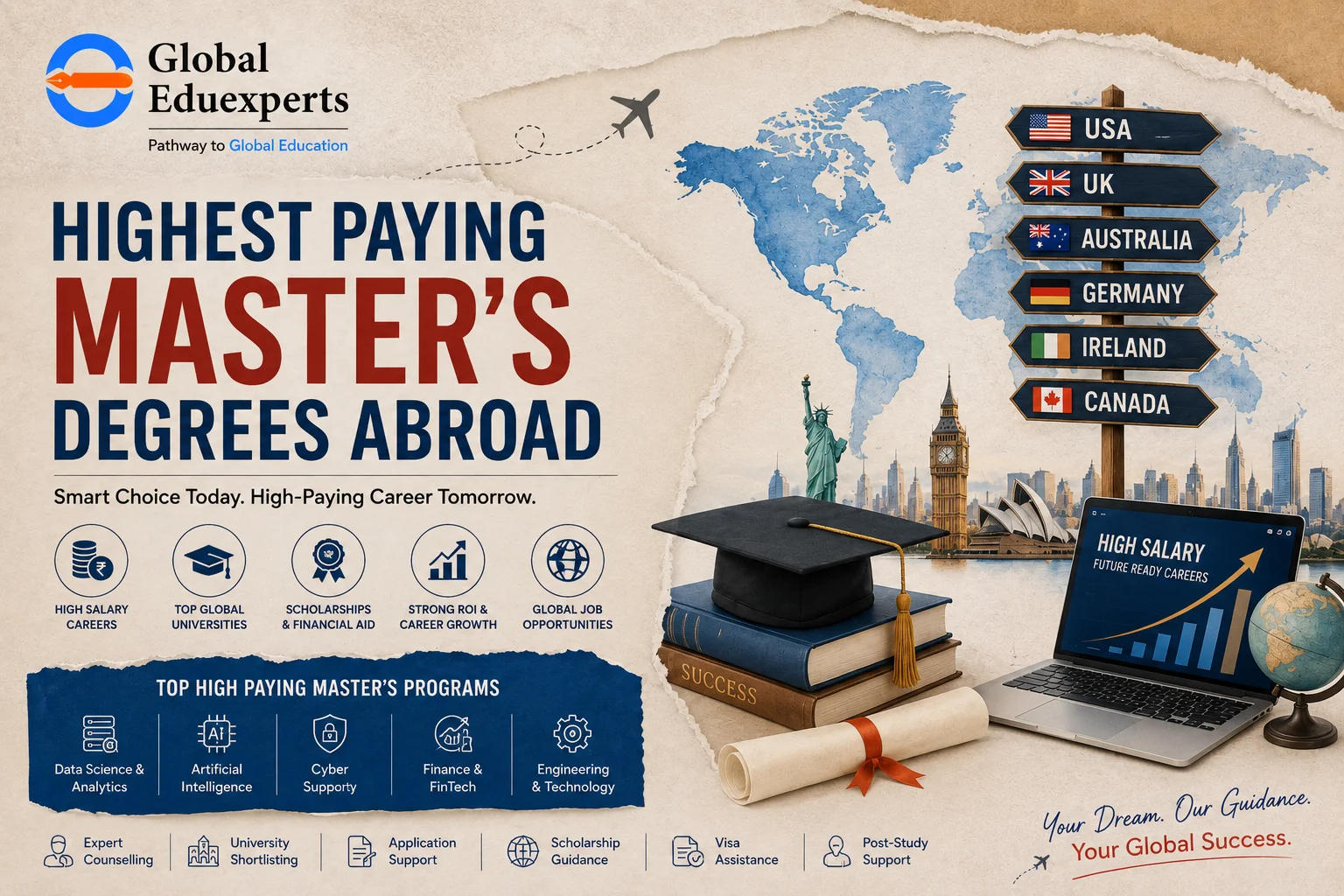
Pursuing one of the highest paying master's degrees abroad helps Indian students build specialized skills that are in demand across global industri...
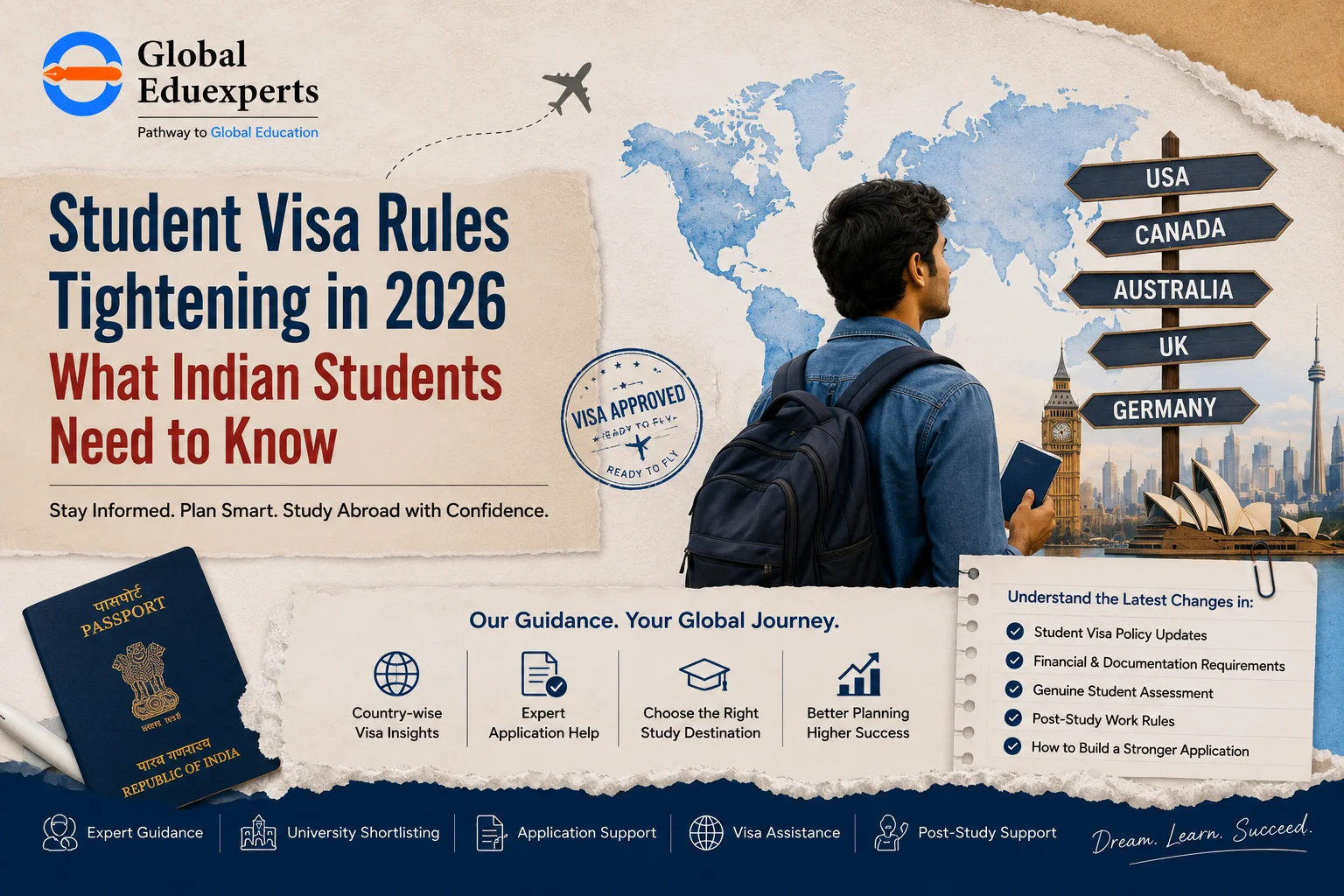
Understanding Student Visa Rules is essential for Indian students planning to study abroad in an evolving immigration landscape. This guide explain...


