Study in Australia – Complete Guidance for International Students
This service provides complete guidance for students planning to study in Australia, helping them understand eligibility requirements, university options, application steps, visa preparation, and financial planning. It supports students, working professionals, and parents who want clear and reliable direction before applying abroad. The main outcome is a structured and informed study plan that reduces confusion, improves preparation, and helps students confidently move toward their international education goals.
Introduction
Choosing to study in Australia has become a serious consideration for many students today, not only because of global education opportunities but also due to changing career expectations and international mobility. Still, the decision rarely feels simple at the beginning. Students often struggle with questions about course selection, university credibility, costs, visa requirements, and long-term career value. With so much information available online, confusion can grow instead of clarity.
Australia attracts international students for its practical education system, multicultural environment, and strong academic standards, yet understanding how the process actually works requires reliable guidance. This guide is designed to help students and families understand eligibility, education pathways, costs, career prospects, and planning steps in a realistic way — so decisions are based on clarity, not assumptions.
Life in USA depending on city and lifestyle
Canberra
Capital
English
Language
+61
Dialing Code
Australian Dollar (AUD)
Currency
Approximately 26 - 27 million people
Population
Undergraduate: AUD 20,000 - 45,000 per year u2022 Masteru2019s: AUD 22,000 - 50,000 per year
Tuition Fees
Appx Around AUD 20,000 - 29,710 per year
Living Expenses
February (Primary Intake) u2022 July (Secondary Intake) u2022 November (Limited courses/universities)
Intakes
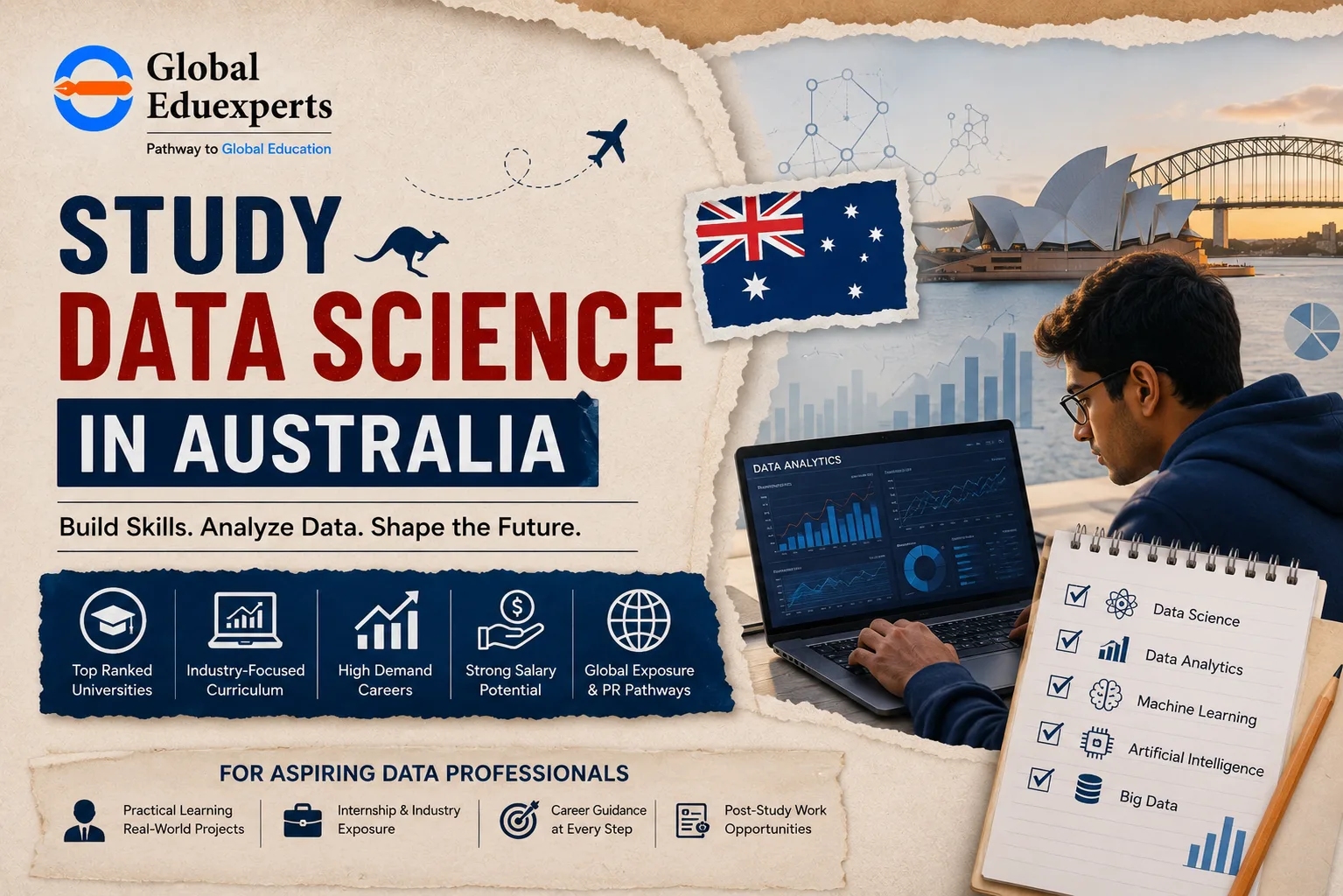
Why Study in Australia
Students choosing to study in Australia are often looking for more than just an overseas degree. They want an education system that connects learning with real-world skills, offers international exposure, and supports long-term career growth. Australia’s higher education framework is designed around practical outcomes, which is one reason it continues to attract students from diverse academic and professional backgrounds.
Education Quality
Australian universities follow strict national quality standards under the Tertiary Education Quality and Standards Agency (TEQSA). Programs are regularly reviewed to maintain academic consistency, research integrity, and teaching effectiveness. This structured oversight helps ensure students receive education aligned with global academic benchmarks rather than purely theoretical instruction.
Academic Advantages
Courses emphasize applied learning through projects, case studies, internships, and collaborative assignments. Students often have flexibility to combine majors, choose electives, or shift academic pathways based on evolving interests. This adaptability allows learners to shape their education according to career goals instead of following a rigid academic route.
Global Recognition
Degrees from Australian institutions are widely recognized by employers, professional bodies, and universities worldwide. Graduates frequently pursue international careers or further education because qualifications align with globally accepted academic frameworks and professional standards.
Industry Exposure
Universities maintain strong links with industries across technology, healthcare, business, engineering, and creative sectors. Guest lectures, internships, and industry-led research projects help students understand workplace expectations early, making the transition from classroom learning to professional environments more practical and realistic.
Benefits of Study in Australia
Industry-Focused Learning Approach
Australian universities emphasize practical application alongside academic theory. Coursework often includes projects, research assignments, and collaborative learning, helping students understand how knowledge applies in real professional environments rather than remaining purely classroom-based.
Globally Recognized Qualifications
Degrees earned in Australia are widely accepted by employers and academic institutions across multiple countries. This recognition supports students who plan international careers or future higher education opportunities after graduation.
Strong Internship and Work Exposure
Many programs integrate internships, placements, or industry projects that allow students to gain workplace exposure during their studies. This experience helps students understand employer expectations and develop job-ready skills before entering the workforce.
Post-Study Work Opportunities
Australia provides structured post-study work pathways that allow eligible graduates to gain professional experience after completing their degree. These opportunities help students apply academic learning in real job environments and explore long-term career directions.
Multicultural Learning Environment
Australia hosts students from diverse cultural backgrounds, creating an inclusive environment where learners develop cross-cultural understanding, teamwork skills, and global perspectives essential for modern workplaces.
Independence and Practical Life Skills
Living and studying abroad encourages students to manage finances, time, and responsibilities independently. Over time, this builds adaptability, confidence, and decision-making skills that extend beyond academic growth.
Education System in Australia
Education System Aspect
Explanation
Study Structure
Australian higher education follows a structured pathway including foundation programs, undergraduate degrees (typically 3–4 years), postgraduate coursework degrees, and research-based doctoral programs aligned with international academic standards.
Credit / Learning System
Universities operate on a credit-point system where each subject contributes toward total degree completion. Students accumulate credits progressively, allowing transparent academic progression and measurable learning outcomes.
Assessment Style
Evaluation combines assignments, presentations, research projects, practical work, and examinations. Continuous assessment ensures performance is measured throughout the semester rather than relying solely on final exams.
Flexibility of Courses
Students often have the option to select electives, combine disciplines, or adjust specialization areas. This flexibility allows academic pathways to evolve based on interests and career goals while maintaining degree requirements.
Eligibility Criteria for Studying in Australia
Requirement
Explanation
Student Understanding
Academic Qualifications
Students must complete equivalent prior education such as 10+2 for undergraduate programs or a recognized bachelor’s degree for postgraduate study. Requirements vary depending on course level and university expectations.
Ensures students have the academic foundation required to handle course difficulty and learning standards.
English Language Requirements
Proof of English proficiency through IELTS, TOEFL, PTE Academic, or equivalent tests is commonly required to demonstrate communication readiness for academic study.
Confirms the student can understand lectures, complete assignments, and participate effectively in classroom discussions.
Entrance Exams (If Applicable)
Certain specialized programs such as MBA, medicine, or research degrees may request exams like GMAT, GRE, or portfolio assessments depending on university policies.
Students must demonstrate sufficient funds to cover tuition fees, living expenses, and initial settlement costs as required by universities and visa authorities.
Shows financial stability and readiness to complete studies without interruptions due to funding issues.
Required Documents for Study in Australia Applications
Document
Explanation
Student Understanding
Passport
A valid passport serves as official identity proof and is required for university applications, visa processing, and international travel authorization.
Confirms identity and eligibility for international student status.
Academic Transcripts
Official mark sheets and certificates from previous institutions provide evidence of academic performance and qualification completion.
Allows universities to evaluate academic background and eligibility accurately.
SOP (Statement of Purpose)
A written statement explaining academic goals, career plans, and reasons for choosing the course and country.
Helps admission teams understand motivation, clarity of purpose, and study intent.
LOR (Letter of Recommendation)
References from teachers or employers highlighting academic ability, character, or professional skills relevant to the chosen program.
Provides independent validation of the student’s capabilities and potential.
Resume/CV
A summary of academic achievements, internships, projects, or professional experience where applicable.
Offers a complete overview of the student’s profile beyond academic scores.
Test Score Reports
Official results of English language or entrance exams submitted directly or through verified reports.
Confirms eligibility requirements related to communication and academic readiness.
Financial Documents
Bank statements, sponsor letters, scholarship confirmations, or education loan approvals demonstrating available funds.
Supports both admission and visa assessment by proving financial capability for study duration.
Visa Requirements for Australia
Applying for an Australian student visa can feel overwhelming for many students, especially when they hear stories about delays or refusals. In reality, the visa process is structured and predictable when understood clearly. To study in Australia, international students typically apply for the Student Visa (Subclass 500), which allows full-time study at an approved institution for the duration of the course.
Rather than being a simple checklist, the visa decision is based on whether a student demonstrates genuine academic intent, financial readiness, and compliance with immigration requirements.
Application Stage
The visa journey begins after receiving a Confirmation of Enrolment (CoE) from an Australian university. Students must submit an online visa application through the Department of Home Affairs portal along with required personal, academic, and financial information. Authorities evaluate applicants under the Genuine Student (GS) requirement, which assesses whether the chosen course aligns with academic background and future goals.
Documentation Preparation
Students must prepare documents carefully, including:
Valid passport
Confirmation of Enrolment (CoE)
English language test scores
Academic transcripts
Statement of Purpose or GS statement
Proof of funds and Overseas Student Health Cover (OSHC)
These documents help immigration officers assess academic credibility and financial stability. Missing or inconsistent documentation is one of the most common reasons applications face delays.
Visa Submission Process
Once documents are ready, students submit the application online and pay the visa fee. Health examinations and biometric verification may be required depending on nationality and individual circumstances. Immigration authorities may request additional evidence if clarification is needed, which is a normal part of assessment rather than a negative sign.
Interview (If Applicable)
Most applicants are not routinely required to attend an interview. However, credibility interviews may be conducted in selected cases to verify study intentions, financial capacity, or academic plans. The focus is typically on confirming genuine student intent rather than testing knowledge.
Processing Timeline (Approximate)
Processing times vary depending on application quality, education sector, and background checks. Many applications are decided within 4–8 weeks, though timelines can range from 15 days to several months depending on complexity and documentation accuracy.
Common Mistakes Students Make
Submitting incomplete financial evidence
Choosing courses unrelated to prior studies or career plans
Providing inconsistent information across documents
Applying too close to intake deadlines
Australian authorities also advise early and complete submission to avoid delays during peak periods.
Why Preparation Matters
Visa officers assess the overall credibility of the application — academic progression, financial sustainability, and clarity of purpose. Careful preparation helps students present a coherent study plan and reduces avoidable risks. Visa decisions always depend on individual circumstances and official evaluation, so preparation improves readiness but does not guarantee approval.
Planning to study in Australia involves multiple decisions — choosing the right course, preparing documents correctly, managing timelines, and understanding visa expectations. At GlobalEduExperts, the process is designed as a structured journey so students move forward with clarity rather than uncertainty. Each stage focuses on informed decision-making and careful preparation based on individual goals and academic background.
Schedule a Free Consultation
The journey begins with an initial discussion where students share academic history, career interests, and study goals. This conversation helps identify realistic options and understand whether Australia aligns with long-term plans.
Receive a Personalized Plan
Based on the discussion, students receive a customized roadmap outlining suitable study levels, timelines, exam preparation needs, and application strategy. Recommendations are tailored because every student profile is different.
University Shortlisting
Universities are shortlisted after evaluating academic performance, budget considerations, course outcomes, and admission feasibility. The focus is on balanced choices rather than only targeting highly competitive institutions.
Profile Evaluation
A detailed profile assessment reviews academics, work experience, English proficiency, and career direction. This helps identify strengths and areas requiring improvement before applications are submitted.
Application to Selected Universities
Students receive guidance in completing application forms, preparing Statements of Purpose, and organizing required documents to present a consistent and credible academic profile.
End-to-End Documentation Process
All documents — academic records, financial proofs, and supporting materials — are reviewed carefully to minimize errors and ensure alignment with university and visa expectations.
Assistance with Loan & Finances
Students are guided through education loan options, financial planning considerations, and required proof of funds so they understand financial readiness before moving ahead.
Visa Process Support
Guidance includes document preparation, Genuine Student statement support, and interview readiness where applicable. Preparation focuses on clarity and compliance, recognizing that final decisions remain with immigration authorities.
Land to Your Desired University
Once the visa is approved, students receive pre-departure guidance covering travel preparation, documentation checks, and settlement planning.
Post-Landing Accommodation Assistance
Support continues after arrival with guidance on accommodation options, initial settlement advice, and adapting to student life in Australia, helping students transition smoothly into their new academic environment.
How We Work
Choosing to study in Australia is not a one-time decision but a process that unfolds over several months. At GlobalEduExperts, the operational workflow is designed to keep students informed at every stage so they always understand what is happening, what comes next, and why each step matters. The focus remains on clarity and consistent support rather than rushing applications.
Communication Stages
Communication begins with an initial consultation and continues through structured updates during profile evaluation, university applications, and visa preparation. Students receive clear explanations at each milestone, ensuring decisions are made with understanding rather than uncertainty. Queries are addressed as they arise, helping students stay confident throughout the journey.
Student Support Timeline
Support follows a planned timeline aligned with university intake deadlines. Early stages focus on profile assessment and course planning, followed by application preparation, offer management, and visa readiness. This phased approach helps students avoid last-minute pressure and reduces common application errors caused by rushed submissions.
Transparency in Guidance
Recommendations are based on academic background, budget, and career direction rather than unrealistic expectations. Students are informed about admission possibilities, timelines, and documentation requirements honestly so they can make informed choices. Guidance depends on individual profile evaluation, ensuring decisions remain practical and realistic.
Continuous Assistance Approach
Support does not stop after applications are submitted. Students receive ongoing assistance through admission updates, document clarification, visa preparation, and pre-departure planning. This continuous involvement helps maintain consistency across every stage of the process.
Focus on Trust-Building
The working approach emphasizes long-term trust by providing accurate information, setting realistic expectations, and maintaining open communication. Every student journey is treated individually, recognizing that successful planning comes from personalized guidance rather than a standardized process.
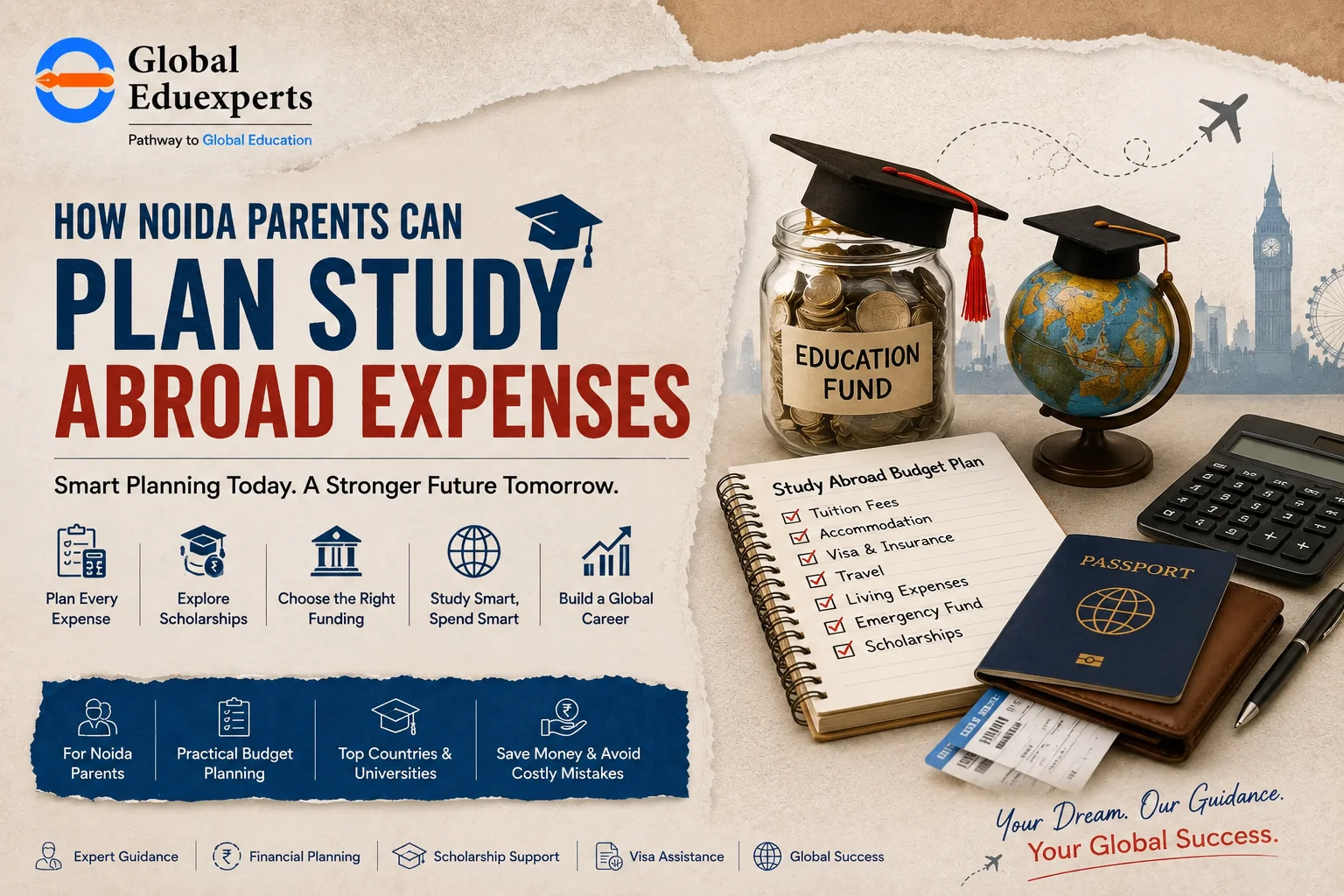
Cost of Study in Australia
Expense Type
Approx Annual Cost (AUD)
Tuition Fees
AUD 20,000 – 45,000
Living Expenses
AUD 21,000 – 29,000
Accommodation
AUD 10,000 – 18,000
Insurance (OSHC)
AUD 600 – 900
Visa Fees
Around AUD 710 (one-time application fee)
Estimated Total
AUD 32,000 – 60,000 per year (approx.)
Note: The above costs are indicative estimates intended to help students plan financially. Actual expenses may vary depending on the university, chosen course, city of residence (Sydney and Melbourne may be higher than regional areas), accommodation type, and individual lifestyle choices. Financial planning should focus on realistic budgeting rather than exact figures, as costs can change over time.
Australia offers Temporary Graduate Visa pathways allowing eligible graduates to gain professional work experience after completing approved qualifications, subject to immigration rules and individual eligibility.
Provides time to apply academic knowledge in real workplace environments and explore long-term career pathways aligned with qualifications.
Healthcare & Nursing Sector
Strong demand exists in healthcare fields such as nursing, aged care, public health, and allied health services due to population growth and healthcare system expansion.
Graduates may pursue roles in hospitals, healthcare facilities, community care services, or further professional licensing pathways.
Information Technology & Data Fields
Technology sectors including software development, cybersecurity, data analytics, and cloud computing continue to grow across Australian industries.
Students can transition into technical roles, project-based work environments, or specialized IT career tracks based on skills developed during study.
Business & Management Careers
Graduates from MBA and business programs find opportunities across finance, marketing, operations, and business analytics sectors supported by Australia’s diverse corporate ecosystem.
Career pathways may include entry-level management roles, consulting support positions, or progression through industry experience.
Engineering & Infrastructure Industries
Ongoing infrastructure development supports demand for engineers in civil, mechanical, electrical, and environmental specializations.
Graduates can work in project coordination, technical analysis, or engineering support roles depending on qualification recognition and experience.
Creative & Design Industries
Fields such as digital design, media production, animation, and user experience design are expanding with Australia’s growing creative economy.
Students may pursue careers in creative agencies, digital media companies, or freelance project-based roles.
Research & Academic Pathways
Students completing postgraduate or research degrees can move toward academic research, innovation projects, or doctoral-level study opportunities.
Suitable for those interested in specialization, teaching careers, or contributing to research-driven industries.
Skill-Based Employment Opportunities
Part-time and graduate roles allow students to develop communication, teamwork, and professional adaptability within multicultural workplaces.
Builds transferable skills that support career mobility across industries both in Australia and internationally.
Every student’s journey to study in Australia looks different. Some begin with clear goals, while others start with uncertainty and slowly find direction along the way. Real progress often comes from small, well-planned decisions rather than dramatic changes.
Riya’s Journey — From Confusion to a Nursing Career Path
Riya, a student from Pune, initially felt unsure whether her academic scores were strong enough for international education. She explored multiple countries before realizing Australia’s practical learning approach suited her interest in healthcare. After careful university selection and preparation, she secured admission to a nursing program at a regional Australian university. Today, she is completing clinical training and gaining hands-on experience that helped her understand real patient-care environments — something she had hoped for but never fully expected at the beginning.
Arjun’s Transition — Engineering Graduate to Industry Exposure
Arjun completed his mechanical engineering degree in India but struggled to find specialized opportunities locally. Instead of rushing into applications, he refined his study plan and applied for a master’s program aligned with renewable energy systems. Studying in Australia allowed him to work on industry-linked academic projects, helping him build practical skills and professional confidence. His outcome wasn’t instant success — but steady progress toward a focused engineering career.
Sneha’s Experience — Balancing Studies and Professional Growth
Sneha, a business graduate, wanted international exposure but worried about adapting to a new country. She enrolled in an MBA program where group projects and multicultural teamwork became part of daily learning. Initially challenging, this environment helped her develop communication and leadership skills. Alongside part-time work experience, she gradually became comfortable navigating both academic and professional settings abroad.
These journeys highlight a common reality: studying abroad rarely follows a perfect timeline. With the right planning, realistic expectations, and consistent effort, students gradually build academic confidence, global exposure, and career direction — outcomes that develop over time rather than overnight.
Please Note: All information is sourced from web and the data may vary. kindly refer to Official or Government websites for the most accurate details.
Study in Australia for Indian Students 2026
Explore top Australia universities, MBA, Masters, PhD & nursing courses. Expert study abroad consultants in Noida offering free counseling for Australia education.
Many students choose Australia because courses often combine theory with real-world projects, internships, and collaborative assignments. This approach helps students understand how concepts apply outside the classroom. However, the experience depends on the university and course chosen, so researching program structure and learning style before applying is important.
Yes, admission decisions are usually based on overall academic background rather than marks alone. Universities may consider subject performance, course relevance, and consistency in education. Some institutions also offer pathway or foundation programs for students who do not directly meet entry requirements, though options vary by university and program competitiveness.
Students should plan for tuition fees, living expenses, and initial settlement costs for at least the first year. Financial expectations depend on the city, university, and lifestyle choices. Proper budgeting and understanding acceptable funding sources such as savings, sponsorship, or education loans can help avoid stress during the admission and visa process.
International students are generally allowed limited part-time work during academic sessions and full-time work during scheduled breaks, subject to current visa regulations. Many students use part-time work to gain experience and manage personal expenses, but it should be viewed as supplementary support rather than the primary funding source.
Studying abroad can open opportunities for professional growth, but it does not guarantee employment or immigration outcomes. Career progression depends on skills, industry demand, and individual effort after graduation. Immigration policies and eligibility pathways may also change, so students should focus first on education quality and long-term skill development.
The Australia hosts world-leading institutions across all disciplines


 Request a Call Back
 WhatsApp
 +91 9999666611