 Request a Call Back
 WhatsApp
 +91 9999666611
Studying Data Science in Australia gives students access to globally recognized universities, industry-focused learning, and career opportunities i...

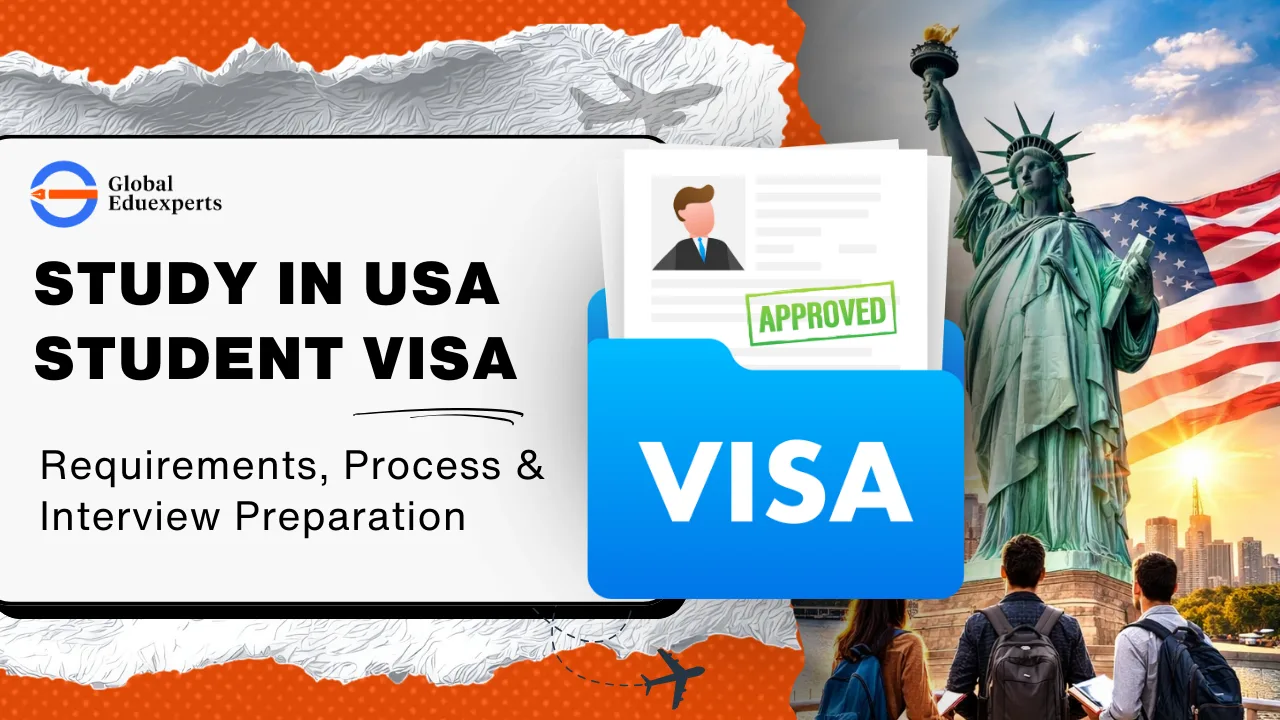
This service explains the USA student visa requirements and guides students through the complete visa process, including eligibility criteria, required documents, visa fees, and interview preparation. It helps students, working professionals, and parents understand how to apply for a USA study visa and prepare their application correctly. The main outcome is a clear understanding of the visa application journey, helping students approach the process with better preparation and confidence
Many students planning to study in the United States often start with basic questions: Do I actually need a visa to study there? Which visa category applies to international students? And when should the visa process begin? In most cases, international applicants admitted to U.S. universities must obtain a USA student visa before traveling for their studies. The visa allows students to enter the country legally and pursue full-time education while following the regulations set by U.S. immigration authorities.
For most academic programs, international students apply for the F-1 student visa, which is the primary visa category for individuals enrolling in recognized educational institutions in the United States. This visa typically applies to students pursuing undergraduate degrees, master’s programs, diplomas, language training, or research-based courses at accredited universities or colleges. Once a university issues the official admission confirmation document (commonly known as Form I-20), students can begin preparing for the USA student visa process and schedule their visa interview.
The reason the visa system exists is not simply administrative—it helps immigration authorities verify academic intent, ensure students have genuine educational plans, and confirm that they can support themselves during their studies. The USA study visa requirements therefore connect closely with university admission, financial documentation, and compliance with immigration policies. Visa rules may vary based on nationality, course type, and government regulations, and students are expected to follow official guidelines to maintain their legal student status in the United States.
| Category | Details | Estimated Cost / Key Requirements |
|---|---|---|
| Student Visa Type | F-1 Visa (most common for academic programs), J-1 (exchange programs), M-1 (vocational studies) | Depends on visa category |
| SEVIS Fee | Mandatory fee for the Student and Exchange Visitor Information System before the visa interview | Approx. $350 (₹29,000–₹30,000) |
| Visa Application Fee (DS-160) | Non-immigrant visa processing fee required to schedule the visa interview | Approx. $185 (₹15,000–₹16,000) |
| University Admission Requirement | Admission confirmation from a SEVP-approved university with Form I-20 issued by the institution | Required for visa eligibility |
| Passport Requirement | Valid passport with sufficient validity for travel and visa processing | Must be valid at least 6 months beyond intended stay |
| Academic Requirements | Previous academic transcripts, certificates, standardized test scores (IELTS/TOEFL, GRE/GMAT depending on program) | Varies by university and program |
| Financial Proof | Evidence of sufficient funds to cover tuition and living expenses (bank statements, education loans, sponsor documents) | Amount varies depending on university cost |
| Visa Interview Requirement | Mandatory interview at the U.S. embassy or consulate to verify academic plans and financial readiness | No additional fee beyond visa fee |
| Health Insurance | Many universities require international students to maintain health insurance during studies | Approx. $500 – $2,000 per year |
| Travel Cost to USA | Flight cost from India to the United States | Approx. ₹70,000 – ₹1,50,000 depending on season |
| Initial Living Expense Setup | Accommodation deposit, local transportation, daily expenses during the first month | Approx. $800 – $2,000 depending on city |
| Total Initial Visa-Related Cost (Approx.) | SEVIS + Visa fee + initial documentation expenses | Approx. ₹45,000 – ₹55,000 |
Note:
Costs are indicative and may change based on exchange rates, immigration policies, and university requirements. Final eligibility and approval decisions for a USA student visa remain subject to evaluation by U.S. immigration authorities.
Many students feel uncertain about whether they actually meet the USA student visa eligibility criteria. Questions about financial proof, admission documents, and how visa officers evaluate applications are very common. In reality, eligibility for a USA student visa is not judged by a single document or form. Immigration authorities usually review the complete student profile to determine whether the applicant genuinely intends to study in the United States and has the preparation required to do so.
One of the most important parts of USA visa requirements for students is confirmed admission from a recognized educational institution. After acceptance, the university issues an official enrollment document called the Form I-20, which allows students to begin the visa application process. This document confirms that the student has been admitted to a full-time academic program and is eligible to apply for a U.S. study visa. Without this confirmation from the institution, students cannot move forward with the visa application stage.
Another key factor in USA student visa eligibility is financial readiness. Students are generally expected to demonstrate that they can support their tuition fees, living expenses, and other study costs during their stay in the United States. At the same time, visa officers also consider the student’s academic intent and long-term study plan. Applicants who can clearly explain their course choice, academic background, and future goals often present a stronger profile. Eligibility depends on individual student circumstances, requirements may vary based on immigration policies, and final decisions are ultimately made by visa authorities.
One of the most common reasons students feel anxious about the visa process is documentation. Many applicants worry about missing paperwork, submitting incorrect information, or not knowing what visa officers actually evaluate. In reality, USA student visa documents are part of a structured verification process used by immigration authorities to confirm a student’s identity, academic intent, and financial readiness before allowing entry for educational purposes.
A valid passport is one of the most basic yet essential documents in the USA visa application requirements. It serves as official identity verification and authorizes international travel. Along with the passport, students must complete the DS-160 form, which is the official non-immigrant visa application used by U.S. immigration authorities. This form collects detailed information about the applicant’s personal background, academic plans, and travel intentions. Accuracy in this form is important because visa officers often review DS-160 details during the interview stage.
Financial and academic records also play a key role in the USA student visa application process. Financial documents help demonstrate that the student has sufficient resources to cover tuition and living expenses during their studies. Academic transcripts, certificates, and admission confirmation documents allow visa authorities to verify the applicant’s educational history and chosen study program. Preparing these documents carefully, ensuring consistency of information, and organizing them properly can make the visa process smoother. Document requirements may vary based on visa category, immigration policies may change over time, and the final evaluation always depends on visa authorities.
For many first-time applicants, the USA student visa process can feel complicated at the beginning. Students often worry about missing steps, preparing documents incorrectly, or not understanding the sequence of the visa application journey. In practice, the process becomes much clearer once university admission is secured because the visa application follows a structured pathway designed to verify academic intent, financial readiness, and immigration compliance.
The journey typically begins when a student receives admission from a recognized U.S. university or college. After accepting the offer, the institution issues the official enrollment confirmation document known as Form I-20. This document confirms that the student has been admitted to a full-time academic program and is eligible to apply for a U.S. student visa. As part of the USA visa application steps, students must also pay the SEVIS (Student and Exchange Visitor Information System) fee, which supports the system used by immigration authorities to monitor and maintain international student records during their stay.
Once these requirements are completed, students move forward with the visa application stage, which includes submitting the DS-160 form and scheduling a visa interview at the U.S. embassy or consulate. The interview is an important part of the USA student visa process because it allows visa officers to understand the applicant’s study plans, academic background, and financial preparation. Preparing early, organizing documents carefully, and clearly explaining academic goals can help students approach the process with greater confidence. Steps may vary depending on immigration policies, processing timelines differ based on application volume, and final approval always remains subject to evaluation by visa authorities.
For many applicants, the visa interview is the most stressful part of the USA student visa process. Students often worry about saying the wrong thing, forgetting important details, or facing difficult questions from the visa officer. In reality, the interview is not designed to trick applicants. Its main purpose is to help immigration authorities confirm that the student has genuine academic intentions, understands their study plans, and has the financial ability to support their education in the United States.
During the interview, officers often ask questions that help them understand the student’s academic journey and future plans. Some USA student visa interview questions focus on why the student chose a particular course, why they selected a specific university, and how they plan to finance their studies. Officers may also ask about career goals after graduation. These questions are not meant to test memorized answers; they simply help the officer understand whether the student’s education plan is clear and realistic.
Many visa refusals happen not because students are unqualified, but because their explanations are unclear or inconsistent. Common issues include weak explanations about course selection, confusion about financial documents, or answers that do not match the information provided in the application. Preparing calmly, reviewing documents carefully, and answering questions honestly can make a significant difference. USA visa interview tips often focus on clarity and confidence rather than complicated strategies. Visa outcomes depend on individual circumstances, evaluation criteria may vary by officer, and final approval decisions are always made by immigration authorities.
The student visa stage often brings a different kind of pressure for applicants. Even after receiving university admission, many students still feel uncertain about documentation, interview preparation, or how to present their academic plans clearly to visa officers. The USA student visa process involves several important steps, and even small misunderstandings about documents or interview responses can create unnecessary stress for applicants.
Professional USA visa assistance can help students approach this stage with more clarity and preparation. Structured guidance usually focuses on reviewing application documents, organizing financial and academic records, and preparing students for the visa interview through personalized practice sessions. This type of preparation helps applicants understand how to explain their course choice, university selection, and future plans in a clear and confident way while staying aligned with official immigration requirements.
Many students also benefit from expert USA student visa guidance when navigating timelines, paperwork accuracy, and interview readiness. Since every student profile is different, guidance is typically tailored to individual academic background and study goals. Students who feel uncertain about the next steps in the visa process may consider seeking professional consultation to prepare effectively. However, visa outcomes remain subject to immigration authority decisions, and requirements may change based on official policies.
Please Note: All information is sourced from web and the data may vary. kindly refer to Official or Government websites for the most accurate details.
Explore top universities, MBA, Masters, PhD & nursing courses. Expert study abroad consultants in Noida offering free counseling for education.
It is usually better to begin the USA student visa process soon after receiving your university admission and Form I-20. Many students start preparing documents and completing the visa application a few months before their course begins. This gives enough time for interview scheduling, document preparation, and any unexpected delays during the application process.
Many students worry that the visa interview will be difficult, but it is usually a short conversation rather than a strict test. Visa officers mainly want to understand your study plans, course choice, and financial preparation. If you explain your academic goals clearly and answer honestly, the interview often feels more comfortable than students expect.
Financial documents help show that you can manage tuition and living expenses while studying in the United States. This may include bank statements, sponsor documents, education loan approvals, or financial support letters. The goal is to demonstrate that your study plan is financially realistic and that you will not face major financial difficulties during your education.
Yes, it is possible because university admission and visa approval are evaluated separately. Immigration authorities review several factors such as financial readiness, clarity of study plans, and consistency of information during the interview. Many students strengthen their chances by preparing well, organizing documents properly, and clearly explaining their academic goals.
Once the visa is approved, students can begin preparing for travel and university enrollment. This usually includes arranging accommodation, planning arrival dates, and attending university orientation programs. It is also important to review visa conditions and maintain full-time student status, as immigration rules require students to follow specific regulations during their stay in the United States.
Studying Data Science in Australia gives students access to globally recognized universities, industry-focused learning, and career opportunities i...
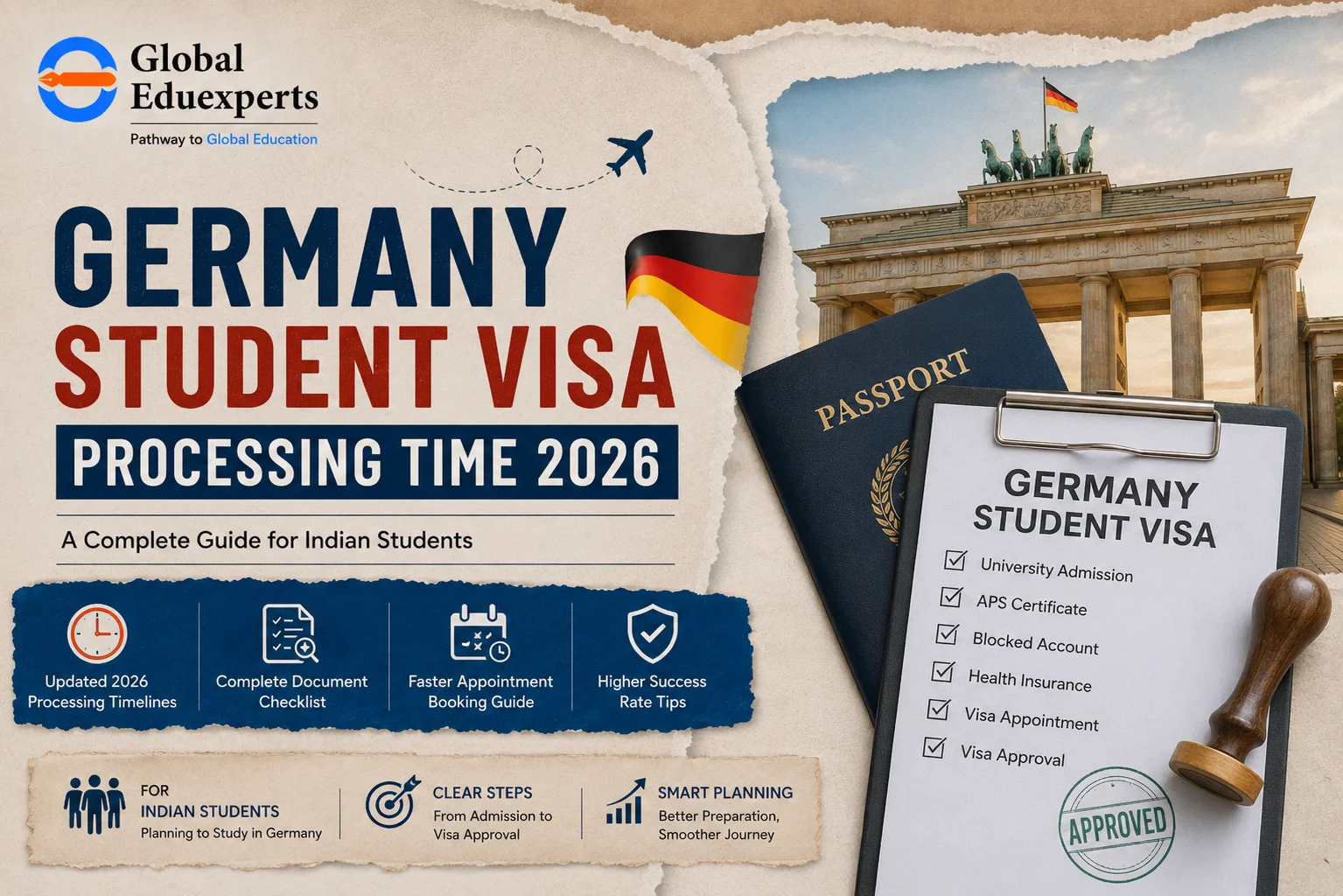
Planning a Germany student visa requires more than submitting an application. It involves understanding the visa processing timeline, preparing the...
Sending a child abroad for higher education involves much more than securing university admission. It requires careful planning around course selec...
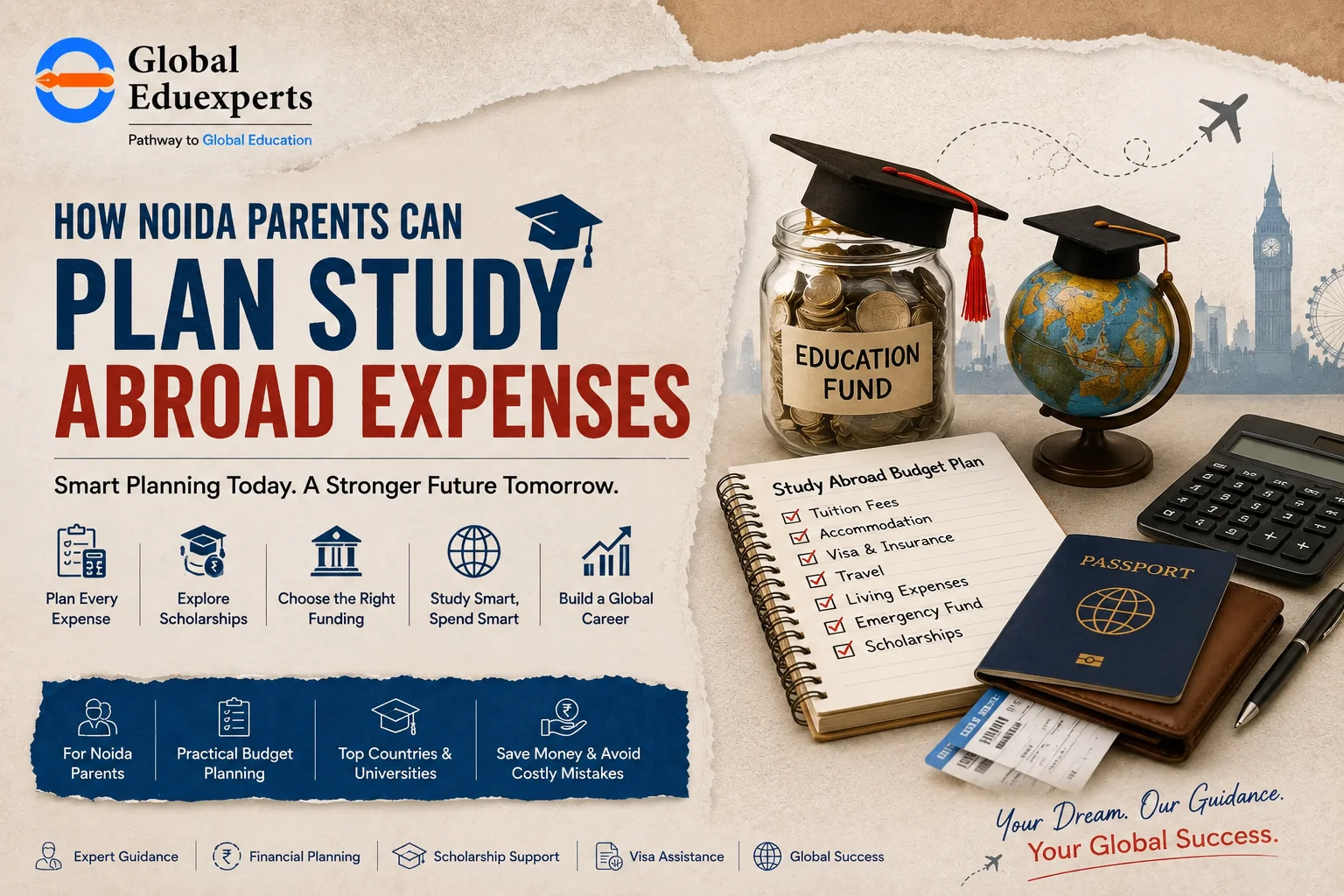
Planning study abroad expenses helps Noida parents make informed financial decisions before their child begins the overseas admission process. By u...
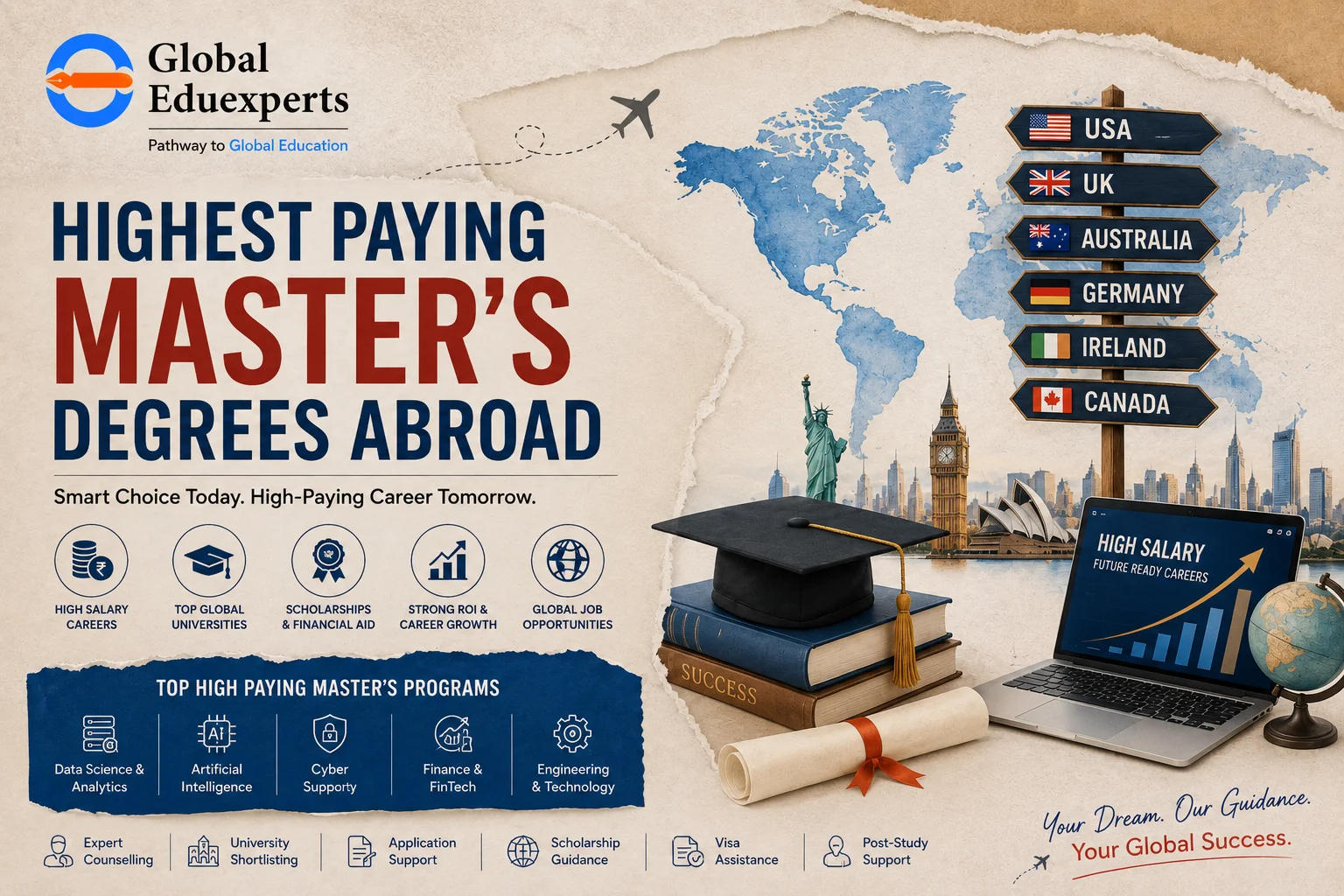
Pursuing one of the highest paying master's degrees abroad helps Indian students build specialized skills that are in demand across global industri...
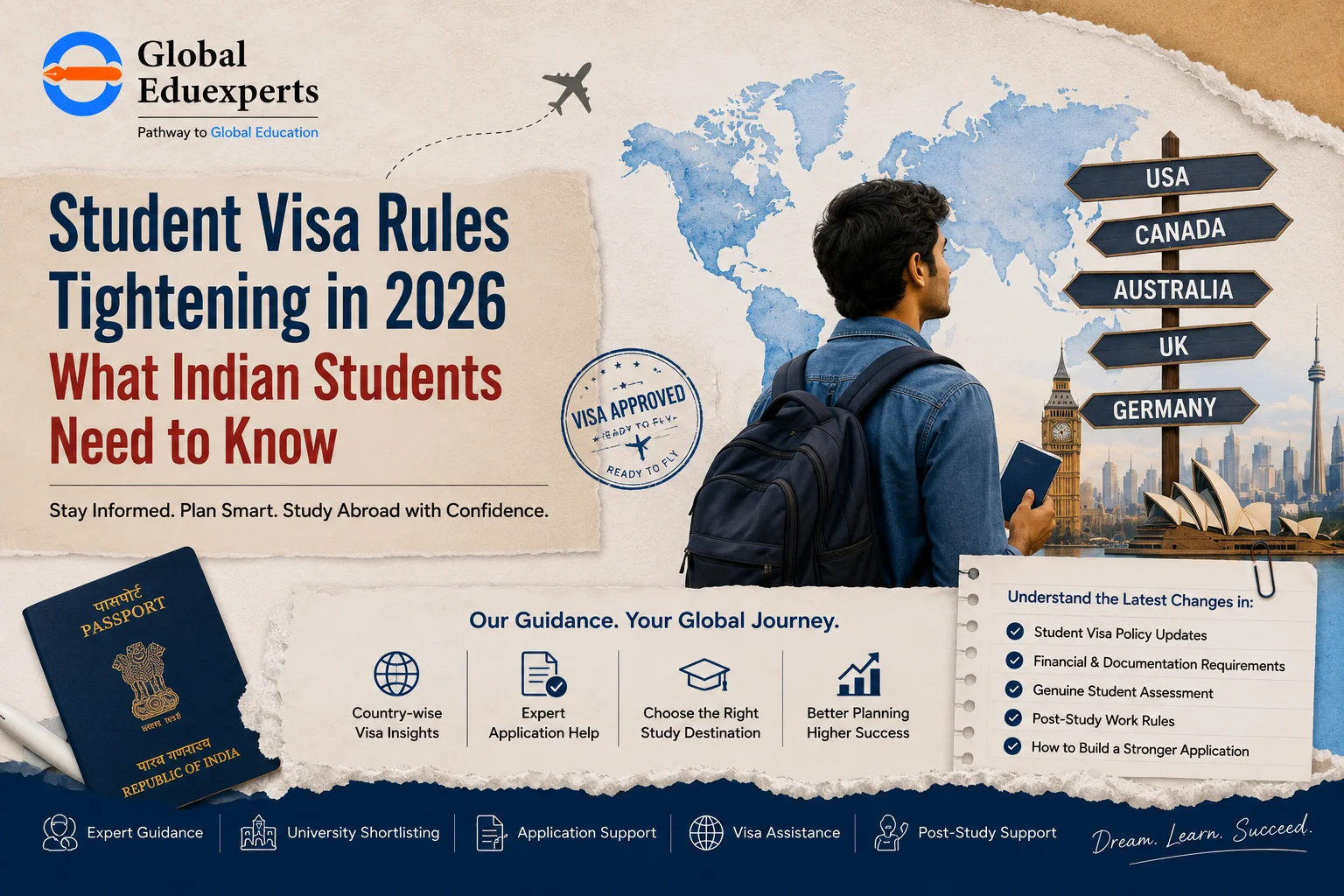
Understanding Student Visa Rules is essential for Indian students planning to study abroad in an evolving immigration landscape. This guide explain...


