 Request a Call Back
 WhatsApp
 +91 9999666611
Studying Data Science in Australia gives students access to globally recognized universities, industry-focused learning, and career opportunities i...

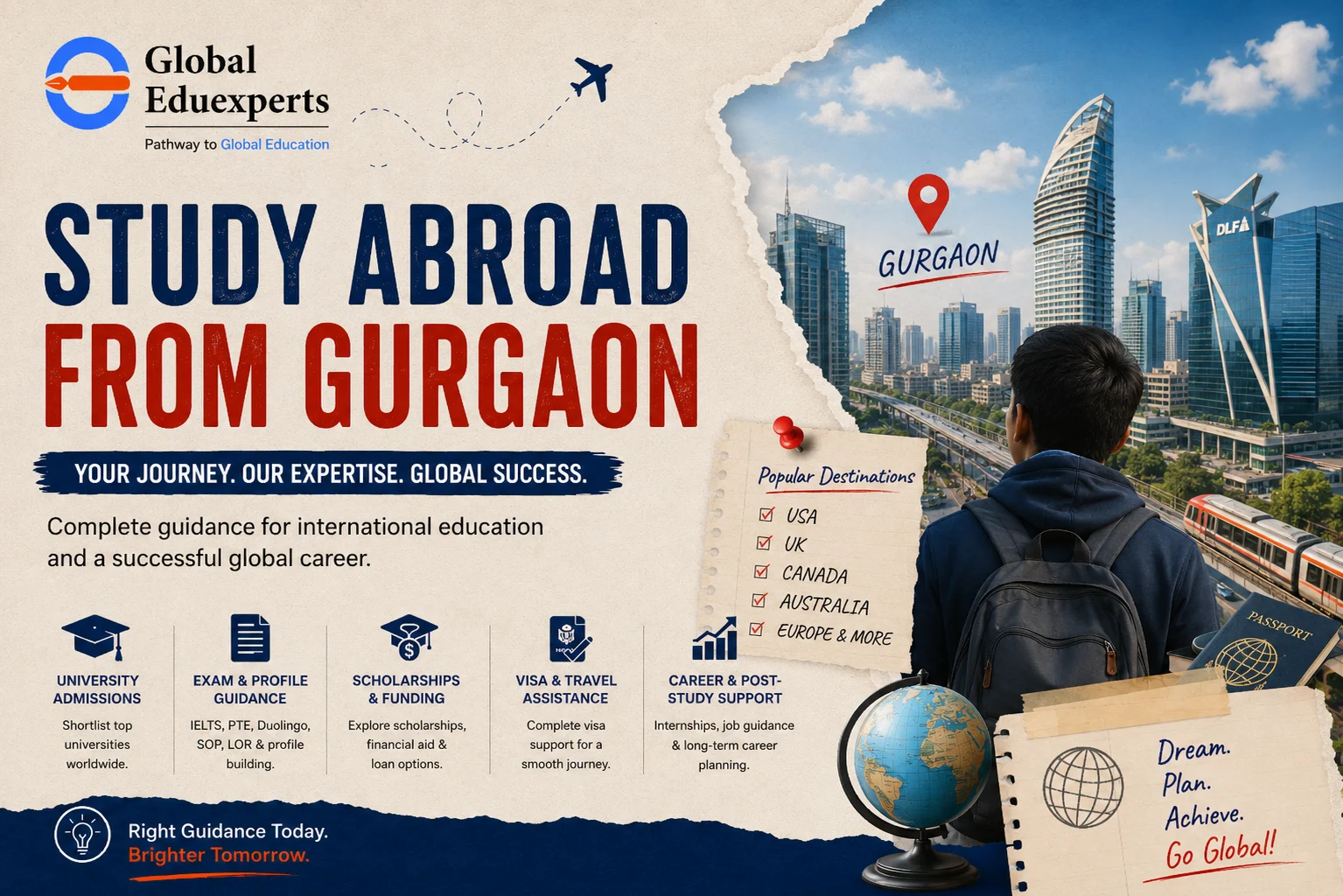
Guidance for study abroad from gurgaon helps students and families understand the complete international education process, including country selection, university admissions, IELTS or Duolingo requirements, scholarships, education loans, visa preparation, financial planning, and long-term career opportunities. It supports students applying to destinations like USA, UK, Canada, Australia, Ireland, Europe, and Asia by helping them make realistic academic, financial, and career-focused decisions for successful overseas education and global professional growth.
Students planning to study abroad from gurgaon are thinking very differently now compared to a few years ago.
Earlier, many students focused mostly on:
That approach feels much riskier today.
International education has become:
Families now ask practical questions earlier:
Honestly, students should ask these questions before selecting a country, not after receiving an offer letter.
Because overseas education decisions now affect:
A common mistake students make:
they choose the country emotionally first.
Then later try matching careers around that decision.
Usually backward planning.
Students from Gurgaon often explore destinations like:
But every country supports different industries differently.
For example:
| Career Goal | Countries Often Considered |
|---|---|
| Technology and AI | USA |
| Finance and consulting | UK |
| Immigration pathways | Canada |
| Practical industry learning | Australia |
| Technical and affordable education | Europe |
Even this keeps evolving though.
Over the last few years, some countries became more competitive because:
Students who select destinations only because “everyone is going there” often struggle later.
Students searching:
Naturally.
Families also associate:
higher ranking = safer future.
Not always true.
A university with:
Over the years, many students realized this after:
The strongest university choices usually balance:
Not prestige alone.
This part matters more than students realize initially.
Many students expect consultants to simply say:
“your profile is excellent.”
But realistic planning works better long term.
A proper profile evaluation should examine:
Students with:
But unrealistic university expectations create problems quickly.
Especially during:
Students searching:
Students underestimate timing constantly.
Many delay:
Then deadlines suddenly become stressful.
Late applications often reduce:
| Missed Opportunity | Why It Matters |
|---|---|
| Scholarships | Funding reduces over time |
| Preferred universities | Seats fill gradually |
| Visa flexibility | Delays create pressure |
| Accommodation choices | Costs increase closer to intake |
Students planning early usually experience:
Earlier, delayed applications sometimes still worked smoothly. Recently though, intake competition increased sharply across several countries.
Students still treat SOPs casually.
Some:
Admission teams recognize these patterns quickly now.
Especially recently.
The strongest SOPs are usually:
A good SOP does not try to sound dramatic.
It explains:
That clarity matters.
Students often become emotionally attached to:
Then financial pressure appears later.
Students planning:
Especially because:
international education budgets rarely remain stable for multiple years abroad.
Currency fluctuations, housing shortages, and inflation affect students much faster now than earlier.
Education loans are normal now.
The problem begins when students choose:
A large loan attached to:
Students often focus heavily on:
Less attention goes toward:
That imbalance creates problems later.
Many students focus only on:
But real communication confidence affects:
Students with:
Especially in:
This issue rarely becomes visible during admissions. It appears gradually afterward.
One thing students eventually realize abroad:
plans almost never unfold perfectly.
Internships take longer sometimes.
Housing becomes expensive unexpectedly.
Part-time jobs become competitive.
Visa policies change.
Job markets fluctuate.
Students who adapt best are usually not:
Usually they:
Students searching:
And more on:
Because studying abroad is no longer just about reaching another country.
The real outcome becomes visible years later.
In:
Students usually compare multiple study destinations before finalizing a realistic overseas education plan. Exploring detailed country-specific guides like
STUDY IN USA,STUDY IN UK,STUDY IN AUSTRALIA, andSTUDY IN EUROPEhelps students understand long-term career pathways, university expectations, and how different countries align with professional goals, budget flexibility, and post-study work opportunities.
Students planning to study abroad from gurgaon usually begin with one major question:
Which country actually makes sense for my future?
Not the most viral destination online. Not the country everyone in the friend circle suddenly selected. The country that realistically supports:
That difference matters much more now than before.
A few years ago, many students selected destinations mainly because:
Recently though, students have started asking more practical questions:
Honestly, students should think this way.
Because international education decisions now affect:
For many students from Gurgaon, the USA remains the strongest option for:
The academic ecosystem is still extremely powerful.
Especially for students interested in:
But the USA also demands:
Students often underestimate how competitive the environment becomes after arrival.
Especially during:
| USA Factors | Practical Reality |
|---|---|
| Tuition fees | Usually expensive |
| Internship ecosystem | Very strong |
| Research opportunities | Excellent |
| Living costs | High in major cities |
| Career growth potential | Strong but competitive |
Students often focus heavily on:
Less attention goes toward:
That balance becomes very real later.
The UK remains popular among Indian students because:
For families from Gurgaon, this shorter duration often changes:
Especially for master’s students.
The UK works particularly well for fields like:
But students should understand:
career outcomes in the UK depend heavily on:
Not all graduates experience the same outcomes.
| UK Factors | Practical Reality |
|---|---|
| Course duration | Shorter postgraduate programs |
| Tuition costs | Moderate to high |
| Living expenses | Expensive in major cities |
| Global university recognition | Strong |
| Career opportunities | Better in industry-focused sectors |
London especially creates mixed realities:
excellent exposure,
very expensive living conditions.
Both are true simultaneously.
Canada continues attracting students because of:
For students prioritizing:
But expectations need balance now.
Recently, students started facing:
Earlier, many students assumed:
“Canada guarantees smooth settlement.”
That assumption feels risky today.
Students succeeding in Canada usually:
| Canada Factors | Practical Reality |
|---|---|
| Tuition fees | Moderate |
| Immigration opportunities | Strong compared to many countries |
| Housing costs | Rising steadily |
| Student support systems | Generally supportive |
| Job competition | Increasing in several cities |
Australia attracts students who prefer:
Students interested in:
One thing students appreciate in Australia:
universities usually emphasize:
Still, financially students need preparation.
Cities like:
Especially regarding accommodation.
| Australia Factors | Practical Reality |
|---|---|
| Practical education | Strong |
| Work flexibility | Good for students |
| Living expenses | High in metro cities |
| Industry integration | Career-focused |
| Immigration policies | Change periodically |
Some students adapt socially very well in Australia. Others struggle more with distance from family and emotional adjustment than expected.
That side rarely appears in overseas education marketing.
Students searching:
Especially countries like:
But Europe should never be viewed as one single education system.
Every country differs in:
Germany, for example, offers strong technical education with lower tuition opportunities. But students ignoring:
| Europe Factors | Practical Reality |
|---|---|
| Tuition affordability | Better in several countries |
| Technical education | Strong |
| Language adaptation | Important in many regions |
| Career opportunities | Country dependent |
| Financial pressure | Often lower than other destinations |
Students often reverse this process emotionally.
They decide:
“I want the USA.”
or
“I want Canada.”
Then later try adjusting finances around the decision.
Usually risky.
Students working with:
Because affordability alone does not create successful outcomes.
And expensive universities do not automatically guarantee strong careers either.
This mistake has increased heavily over the last few years.
Students increasingly choose destinations mainly because:
But immigration systems evolve constantly.
Students depending only on:
The strongest international outcomes rarely happen because someone selected the “perfect country.”
Usually students succeed because they:
Because plans almost always shift somewhere abroad.
Students searching:
And more on:
Because eventually, the value of studying abroad is not measured during:
It becomes visible later.
In:
Country selection becomes much easier once students start comparing actual tuition structures, work opportunities, and visa realities instead of relying only on rankings or social media opinions. Reviewing pages like
USA Cost,UK Cost,Australia Cost, andIreland Costhelps students understand realistic living expenses, financial pressure, and long-term return on investment before choosing an international education destination.

Students planning to study abroad from gurgaon often spend months researching:
Then choose a consultant after one quick meeting.
Sometimes because:
That decision quietly shapes almost the entire overseas education journey afterward.
Because a consultant now influences:
Recently, the number of:
Some genuinely guide students responsibly.
Others operate more like admission sales offices focused mainly on:
Students usually understand the difference much later.
Sometimes after visa refusal. Sometimes after reaching a university that never suited their goals properly.
This is usually the first sign of serious counselling.
Reliable consultants rarely begin immediately with:
Instead, they usually ask:
These conversations matter.
Because studying abroad now involves:
Consultants avoiding difficult discussions often create unrealistic expectations later.
Students searching:
But transparency usually matters far more.
Students should clearly understand:
| Important Area | What Students Should Know |
|---|---|
| Consultancy charges | Full fee structure upfront |
| University partnerships | Whether recommendations are commission-driven |
| Visa support | Exact services included |
| Refund policies | Properly explained |
| Scholarship guidance | Realistic expectations |
If conversations remain vague or overly polished, that itself signals something.
This happens more often than students realize.
Many consultancies work closely with partner universities. That itself is normal.
The problem begins when:
students get pushed toward universities mainly because:
A student genuinely interested in:
Students should ask directly:
Good consultants explain:
Not only positive points.
Many students expect consultants to simply say:
“your profile is excellent.”
But realistic evaluation helps much more long term.
A proper profile assessment should examine:
For example:
a student targeting highly competitive universities with:
Not exaggerated motivation.
Sometimes realistic guidance feels less exciting initially. Usually more valuable later.
A few years ago, many students believed:
“once admission is confirmed, visa approval becomes easy.”
That mindset no longer works safely.
Countries now review:
This is why:
Even small issues can create problems:
Good consultants focus heavily on:
Not shortcuts.
Students should stay extremely cautious if anyone suggests:
Those decisions create serious long-term risks.
Students still underestimate SOP quality.
Especially now.
Universities receive thousands of:
Admission teams recognize repetitive writing patterns quickly.
The strongest SOPs usually feel:
Consultants should help students:
Not simply “make the SOP sound impressive.”
There is a difference.
A very noticeable one.
Some students depend completely on consultants for every decision.
Usually risky.
Students planning:
Because eventually:
the student lives with the decision.
Not the consultant.
Certain mistakes repeat constantly.
| Common Mistake | Why It Creates Problems |
|---|---|
| Choosing based only on advertising | Marketing rarely reflects counselling quality |
| Trusting guaranteed visa claims | No consultant controls visa outcomes |
| Ignoring financial sustainability | Creates long-term pressure |
| Blindly following friends | Every profile differs |
| Applying too late | Reduces scholarships and university choices |
Another growing issue:
students selecting consultants mainly because influencers promoted them online.
That approach feels increasingly risky now honestly.
Students ignore this more than they should.
Good consultants usually:
Poor consultancies often make everything sound:
Real overseas education planning rarely works that smoothly anymore.
Especially now.
The best guidance usually includes conversations around:
Not only:
Because studying abroad is no longer just an academic decision.
It is a long-term professional and financial commitment.
Students searching:
And more on:
Because eventually, successful overseas education is not measured only by:
It becomes visible later.
In:
Students researching overseas education guidance often compare counselling approaches across nearby cities before selecting the right support system. Exploring resources like
STUDY ABROAD FROM DELHI,STUDY ABROAD FROM NOIDA, andSTUDY ABROAD FROM GHAZIABADgives students broader insight into profile evaluation, admission planning, and practical study visa support available for international education preparation.
Explore top road From Gurgaon universities, MBA, Masters, PhD & nursing courses. Expert study abroad consultants in Noida offering free counseling for road From Gurgaon education.
Students planning to study abroad from gurgaon usually begin with one major concern:
“Am I actually eligible to study abroad?”
And honestly, many students misunderstand what eligibility really means now.
Some believe:
Others assume:
Neither is fully accurate anymore.
Universities today evaluate students more holistically than before. Admission decisions increasingly depend on:
Sometimes students with:
That surprises families occasionally.
Academic performance obviously remains important.
For undergraduate admissions:
For postgraduate programs:
But students panic unnecessarily about not having “perfect marks.”
In reality:
| Academic Situation | What Usually Matters |
|---|---|
| Average marks | Realistic university selection |
| Backlogs | Quantity and explanation |
| Study gaps | Proper justification |
| Strong academics | Wider university options |
Earlier, many universities accepted weaker profiles more flexibly because international competition was lower. Recently, competition increased significantly for:
Still, average academics do not automatically block opportunities.
Usually the bigger issue is:
students applying unrealistically.
Students from Gurgaon often worry heavily about:
The reality:
many universities still accept students with:
But honesty matters much more now.
A student who clearly explains:
Recently, universities and visa authorities started reviewing:
Especially after large increases in international applications globally.
Most students approaching:
Naturally.
It remains one of the most widely accepted English proficiency tests globally.
But students should understand:
English tests are not just admission formalities anymore.
Communication skills later affect:
Students who barely clear language requirements often struggle more after arrival than they initially expect.
Especially socially and professionally.
Over the last few years, universities expanded flexibility around English proficiency testing.
Many institutions now accept:
This created more flexibility for students who:
Still, students should verify country-specific and university-specific policies carefully because:
A university may accept Duolingo for admission while visa authorities may evaluate language credibility differently later.
That detail gets ignored online often.
Students constantly underestimate SOP importance.
Some believe:
“marks matter more than anything.”
Not always true anymore.
Especially now when universities receive thousands of similar academic profiles globally.
Weak SOPs usually feel:
Admission teams recognize these patterns quickly.
The strongest SOPs usually:
One important reality:
an overly polished SOP sometimes feels less believable than a simpler but more genuine one.
Especially now when AI-generated applications are increasing rapidly.
This creates pressure for many families.
Students often think:
But countries increasingly evaluate financial capability seriously during:
Students usually need:
The key issue is consistency.
Large unexplained deposits or unstable financial records create unnecessary complications later.
Especially during visa stages.
Students searching:
Not just pay the initial deposit.
Many students focus only on:
But proper profile evaluation usually includes:
| Profile Area | Why It Matters |
|---|---|
| Academic consistency | Reflects learning capability |
| Career direction | Shows long-term clarity |
| SOP quality | Connects profile logically |
| Communication ability | Affects future employability |
| Financial readiness | Supports sustainability |
| Course alignment | Prevents credibility issues |
One common mistake:
students suddenly switching career directions without explanation.
For example:
Sometimes universities still accept such applications. Visa authorities may question them later.
This part feels uncomfortable sometimes.
Students often apply only to:
Without realistically evaluating:
A balanced strategy usually works better:
Students who plan strategically often create stronger long-term outcomes than students chasing rankings emotionally.
This rarely gets discussed enough during eligibility conversations.
A student may technically qualify academically and still struggle abroad because:
Over the years, universities increasingly started prioritizing students who appear capable of:
Because student outcomes matter for institutions too.
Some mistakes repeat constantly:
| Common Mistake | Result |
|---|---|
| Applying too late | Reduced university options |
| Weak SOP preparation | Lower admission strength |
| Ignoring financial readiness | Visa stress later |
| Unrealistic course shifts | Credibility concerns |
| Depending on copied applications | Generic profile impression |
Another growing issue:
students constantly comparing their profiles with friends applying abroad.
That pressure often creates rushed decisions and unrealistic expectations.
Students searching:
often expect a simple yes-or-no answer about eligibility.
International admissions rarely work that way anymore.
Strong profiles are usually:
Not perfect.
The students who succeed abroad long term are often not the students with flawless applications.
Usually they are the students who:
Eligibility requirements vary noticeably depending on the country, university, and academic background of the student. Students planning international education often review detailed guides such as
USA Eligibility,UK Eligibility,Australia Eligibility, andIreland Eligibilityto better understand academic expectations, English language requirements, SOP preparation, and financial proof needed during admissions and visa stages.

Students planning to study abroad from gurgaon usually begin by checking tuition fees.
Then slowly realize tuition is only one part of the actual financial picture.
The bigger expenses often appear later:
Recently, families have become much more cautious while planning overseas education budgets. Honestly, that caution makes sense now.
Because studying abroad can absolutely improve:
But weak financial planning can quietly create stress that follows students for years afterward.
Especially when decisions are made emotionally instead of realistically.
Students often assume:
Reality is far more uneven.
A student studying in:
Even within Europe, tuition structures vary heavily depending on:
| Country | General Tuition Trend |
|---|---|
| USA | High overall |
| UK | Moderate to high |
| Canada | Moderate |
| Australia | Moderate to high |
| Germany and parts of Europe | Lower tuition opportunities |
But students focusing only on low tuition often make another mistake:
they ignore employability.
A cheaper university with weak internship support may eventually become more expensive long term than a stronger institution offering better career outcomes.
That part gets ignored during early planning surprisingly often.
This changed sharply over the last few years.
Earlier, many students assumed:
Recently though:
housing shortages affected several destinations heavily:
Some students now spend:
The emotional pressure from unstable housing affects students much more than families initially expect.
Especially during the first semester abroad.
| Common Living Expense | Why It Matters |
|---|---|
| Rent | Usually largest monthly expense |
| Food and groceries | Depends on city and lifestyle |
| Transportation | Metro cities cost more |
| Insurance | Mandatory in many countries |
| Utilities and internet | Frequently underestimated |
Families usually calculate overseas budgets using:
Then currencies shift unexpectedly.
Suddenly:
Students depending heavily on loans usually feel this pressure fastest.
Especially in countries facing:
One uncomfortable reality:
international education costs almost never remain perfectly stable over multiple years abroad.
Students should prepare financially for uncertainty too.
Many students approaching:
Possible sometimes. Competitive almost always.
Most students realistically receive:
Still valuable though.
Students with:
But depending completely on scholarships before finalizing financial planning becomes risky.
Very risky sometimes.
Education loans are now normal for students planning international education.
The problem begins when students choose:
A large loan attached to:
Students from Gurgaon often underestimate how emotionally exhausting loan repayment feels while simultaneously:
That pressure rarely appears in overseas education advertisements.
This topic gets exaggerated online constantly.
Yes, students abroad often manage:
But students assuming:
“part-time work will cover everything”
usually experience stress quickly.
Job availability depends heavily on:
Some students secure work quickly. Others struggle for months despite good academics.
Recently, competition for student jobs increased sharply in several international cities.
Students rarely expect that before departure.
Students planning:
Then smaller expenses accumulate quickly:
Even basic setup costs during the first month abroad can become financially overwhelming without proper planning.
Especially for students arriving without emergency savings.
Countries increasingly evaluate:
This is one reason:
Visa officers no longer review only whether:
They also evaluate whether:
students can realistically sustain education and living expenses abroad long term.
Large unexplained bank deposits or unstable financial documentation create unnecessary complications.
Students sometimes chase affordability too aggressively.
They choose:
Sometimes that works.
Sometimes students later struggle with:
The stronger approach usually balances:
Not easy to calculate honestly.
Interestingly, financially stable students abroad are not always:
Usually they:
They also accepted one uncomfortable truth early:
International education often requires temporary financial discipline before long-term career rewards become visible.
Students searching:
should focus less on:
“Which country looks cheapest?”
And more on:
Because eventually, the success of studying abroad is not measured by:
It becomes visible later.
In:
Financial planning becomes more practical when students compare country-wise education expenses instead of estimating everything broadly. Exploring pages like
Dubai Cost,USA Cost,UK Cost, andAustralia Costhelps students evaluate tuition fees, accommodation expenses, visa charges, and long-term affordability before committing to a specific overseas education destination.
For many students planning to study abroad from gurgaon, the biggest challenge is not getting admission.
It is figuring out how to manage the financial side without creating long-term pressure that follows them for years afterward.
And recently, students have started thinking about this more seriously.
Earlier, many families approached overseas education emotionally:
Now students ask tougher questions:
Honestly, these questions matter more than students initially realize.
Because international education can absolutely improve:
But poor financial planning can quietly turn the same opportunity into years of emotional and financial exhaustion.
One common misunderstanding:
students believe scholarships are either:
Reality usually sits somewhere in between.
Most international students receive:
Full scholarships do exist, but competition is intense globally.
Especially for:
Students approaching:
Sometimes they help significantly.
Rarely do they remove every expense completely.
Students often assume:
higher academic percentages automatically guarantee scholarships.
Not anymore.
Universities increasingly evaluate:
A student with:
Especially recently, when universities started receiving thousands of similar academic profiles globally.
The application story matters now.
This gets ignored constantly.
Students delay:
Then scholarship windows quietly close.
Many universities distribute:
By the time late applicants submit documents, major funding pools may already be reduced.
This happens every intake season.
Students planning early usually create:
Students from Gurgaon increasingly depend on education loans for:
Nothing unusual there anymore.
But the emotional side of loans rarely gets discussed honestly.
Students abroad often manage:
Especially during uncertain job markets.
Some students adapt smoothly.
Others experience constant financial stress during final semesters when:
This is where families sometimes make risky decisions emotionally.
They choose:
But prestige alone does not repay loans.
Employability does.
A student taking a large loan for:
Over the years, many graduates realized:
career growth abroad depends heavily on:
Not only rankings.
Students applying through:
Banks usually evaluate:
| Important Area | Why It Matters |
|---|---|
| Academic profile | Indicates repayment credibility |
| University reputation | Influences employability perception |
| Course type | Some industries appear safer financially |
| Sponsor income | Financial consistency matters |
| Collateral | Impacts loan structure |
Earlier, approvals sometimes felt easier for weaker profiles. Recently, lenders became more cautious regarding:
Families usually calculate overseas budgets based on:
Then currencies fluctuate unexpectedly.
Suddenly:
Students planning without financial backup usually feel this pressure fastest.
Especially in countries facing:
Tuition is only one part of the financial reality.
Students planning:
The first few months especially can become financially exhausting.
Many students arrive thinking:
“once I settle, everything becomes manageable.”
Sometimes true.
Sometimes adjustment takes much longer financially than expected.
Students who manage overseas education costs most successfully usually combine:
Not perfectly balanced. Just realistic.
For example:
| Funding Strategy | Why Students Use It |
|---|---|
| Partial scholarships | Reduce tuition burden |
| Shared accommodation | Lower monthly costs |
| Smaller cities | Improve affordability |
| Assistantships | Provide academic support |
| Early financial planning | Prevents emergency stress |
Students depending entirely on:
This misconception spreads aggressively online.
Yes, part-time jobs abroad can support:
But students expecting:
Job availability depends heavily on:
Recently, several international student cities became much more competitive for part-time work opportunities.
That reality surprises many students after arrival.
This matters more than students initially understand.
Financial instability abroad affects:
Students who:
Not because they avoid problems completely.
Because they remain financially prepared when problems appear.
Students searching:
And more on:
Because eventually, the real value of international education becomes visible years later.
Not during admission or visa approval.
It shows when:
Students exploring scholarships and education loans often move toward country-specific funding opportunities to understand where financial support is realistically available. Reviewing resources such as
USA scholarships,UK Scholarships, andAustralia Scholarshipshelps students compare tuition waivers, merit-based funding options, and practical ways to reduce overall international education expenses.
Students planning to study abroad from gurgaon usually spend months researching:
Still, many end up making the same avoidable mistakes repeatedly.
Not because students lack ambition.
Usually because the overseas education process looks far simpler online than it actually feels in real life.
Social media has created a polished version of studying abroad:
Reality feels much more uneven after students actually arrive abroad.
This is probably one of the biggest mistakes right now.
Students see:
and immediately assume:
“this field guarantees success.”
Not necessarily.
Some students later realize:
Especially when the decision was influenced mainly by:
A student genuinely interested in:
Earlier, choosing trending sectors sometimes worked because competition was lower globally. Recently, several industries became heavily saturated very quickly.
Students from Gurgaon often grow up in highly competitive environments where:
Naturally.
But many students make the mistake of applying only to:
Without realistic backup options.
Then rejection cycles begin.
Strong universities matter obviously. But:
Sometimes students reject practical universities because:
“the ranking does not feel impressive enough.”
Later they struggle financially or professionally despite attending expensive institutions.
That imbalance happens more often than students expect.
Students constantly underestimate SOP quality.
Some:
The final result usually feels:
Admission teams recognize these patterns quickly now.
Especially recently.
The strongest SOPs usually feel:
Students who explain:
Not because the English sounds perfect.
Because the thinking feels genuine.
This happens every intake season.
Students delay:
Then suddenly:
Students applying late often lose:
| Lost Opportunity | Why It Matters |
|---|---|
| Scholarships | Funding reduces gradually |
| Preferred universities | Limited seats remain |
| Visa flexibility | Delays increase pressure |
| Accommodation choices | Costs rise closer to intake |
Students who prepare early usually experience:
This issue increased heavily because of social media.
Students often assume:
Reality usually moves slower.
Graduates abroad often manage:
Especially during the first few years.
Some students build excellent careers eventually. Others require much longer adjustment periods professionally.
Recently, several job markets became more competitive because of:
Students expecting instant financial success usually experience disappointment early.
Many families focus heavily on:
But long-term financial sustainability matters much more after arrival.
Students applying through:
A student may secure admission successfully and still struggle later because financial planning remained emotional instead of practical.
Especially in:
Visa systems globally have become stricter over the last few years.
Especially regarding:
Still, some students make risky mistakes like:
These decisions create serious long-term risks.
Even students with genuine intentions sometimes face visa complications because documentation feels:
Students searching:
This happens constantly.
One student applies to Canada. Suddenly everyone nearby decides:
“Canada is safest.”
Another friend moves to the UK. Now several students immediately shift plans.
But every student profile differs:
A destination working well for one student may become extremely difficult for another depending on:
Students blindly following peer decisions often realize the mismatch only after reaching abroad.
Many students focus only on:
But real communication confidence affects:
A student may technically qualify linguistically and still struggle professionally because:
This problem often stays hidden initially. Then gradually affects employability.
Students often assume:
Not necessarily.
Some students receive poor university guidance because consultancies prioritize:
Students searching:
Not marketing visibility alone.
Interestingly, successful international students are rarely:
Usually they:
Because plans almost always change somewhere abroad.
Students searching:
should focus less on:
“Which country feels easiest right now?”
And more on:
Because eventually, the biggest mistakes in overseas education are rarely academic.
Most begin with unrealistic expectations.
Many application mistakes happen because students rush decisions without understanding country-specific visa and admission realities properly. Reading guides like
USA Visa,UK Visa,Australia Visa, andDubai Visahelps students understand documentation expectations, financial proof requirements, and common issues that often create delays or visa refusals during overseas education planning.
Students planning to study abroad from gurgaon are no longer looking only for foreign degrees.
That mindset changed gradually over the years.
Now students focus more on:
And honestly, that shift makes sense.
Because overseas education is expensive now. Families naturally want to understand:
Fair questions.
A foreign degree alone no longer guarantees success anywhere. Not in India. Not abroad either.
One thing students notice quickly after moving abroad:
the learning environment feels very different.
Not necessarily “better” in every way. Just different.
Many universities abroad focus heavily on:
Students coming from highly exam-focused academic systems sometimes struggle initially with:
Then gradually they adapt.
That adjustment itself changes confidence levels over time.
Especially for students from Gurgaon who spent years inside highly structured academic environments.
This part rarely appears in overseas education advertisements.
Living abroad forces students to manage:
Some students grow very quickly through this process.
Others struggle much longer than expected.
Earlier, many students assumed studying abroad automatically creates confidence. Recently though, students speak more honestly about:
Still, students who adapt successfully usually develop:
That long-term growth matters more than students initially realize.
Many students focus heavily on:
Then ignore internships completely during the first semester.
Usually a mistake.
In countries like:
Students who actively pursue:
Not automatically. But noticeably.
This becomes obvious after arrival abroad.
Students with:
Meanwhile, students who:
Sometimes even with average academic performance.
That surprises students often.
Especially those who assumed:
“good marks alone will handle everything.”
International workplaces rarely operate that way anymore.
Students searching:
Naturally.
Education and employability now feel deeply connected.
Countries offering:
But students should understand:
post-study outcomes depend heavily on:
| Important Factor | Why It Matters |
|---|---|
| Industry demand | Some sectors hire more actively |
| Communication ability | Strongly affects employability |
| Internship experience | Creates employer exposure |
| Networking | Influences opportunities |
| Economic conditions | Job markets fluctuate |
No country guarantees career success automatically.
That reality gets hidden online sometimes.
This topic gets exaggerated constantly on social media.
Students watch videos discussing:
Reality usually moves much slower.
Graduates abroad often manage:
Especially during the first few years.
Some students eventually build excellent careers. Others require much longer adjustment periods professionally.
Recently, job markets in several countries became more competitive because of:
Students expecting immediate financial success usually experience disappointment early.
This part gets underestimated initially.
Students studying abroad interact with:
Over time, these connections influence:
The students benefiting most from networking are usually not:
Often they are simply:
Students often ask:
“Which country offers the best career opportunities?”
There is no universal answer anymore.
Different countries support different industries:
| Country | Common Career Strengths |
|---|---|
| USA | Technology, innovation, research |
| UK | Finance, consulting, management |
| Canada | Immigration pathways and balanced work systems |
| Australia | Practical industry-focused education |
| Germany and parts of Europe | Engineering and technical industries |
The right destination depends heavily on:
Not salary discussions alone.
Earlier, many students believed:
studying abroad automatically meant permanent settlement overseas.
That mindset is shifting gradually.
Some graduates now return to India with:
Especially in:
International education can improve career positioning within India too.
Though outcomes still depend heavily on:
One major misconception:
students expect success abroad to happen quickly.
Realistically, international career growth usually requires:
The students succeeding long term are rarely:
Usually they are students who:
Because uncertainty appears constantly abroad.
Students searching:
And more on:
Because eventually, the real value of studying abroad is not measured during:
It becomes visible years later.
In:
Career outcomes after studying abroad often depend on industry exposure, internships, and the country’s long-term employment ecosystem. Students comparing future opportunities usually explore pages like
USA Courses,Uk Courses,STUDY IN IRELAND, andSTUDY IN ASIAto understand which destinations align better with evolving global industries, salary expectations, and international career growth.
The best country depends on career goals, budget, industry demand, and long-term plans after graduation. Students interested in technology and research often prefer the USA, while Canada remains popular for immigration pathways and balanced work opportunities. The UK attracts students looking for shorter postgraduate programs, and Australia is preferred for practical industry-focused education. No single destination fits every student equally well.
The total cost depends on the country, university, course, and city selected by the student. Expenses usually include tuition fees, accommodation, transportation, insurance, visa charges, food, and emergency savings. Students should also consider currency fluctuations and education loan repayment because living costs in countries like USA, UK, Canada, and Australia have increased noticeably over recent years.
Many universities still require IELTS, TOEFL, PTE, or Duolingo scores to evaluate English proficiency for international admissions. However, requirements differ depending on the university and country selected. Some institutions provide flexibility through alternative pathways or conditional admissions. Students should verify both university admission requirements and visa expectations carefully because language policies continue changing across different destinations.
Yes, many universities abroad accept students with average marks, study gaps, or backlogs if the profile is presented realistically and supported with proper documentation. Universities usually evaluate the complete profile, including SOP quality, financial readiness, communication ability, and career direction. Choosing the right university and course becomes extremely important because unrealistic applications often create admission or visa complications later.
A reliable consultant helps students understand university selection, application planning, visa preparation, financial documentation, scholarships, and long-term career opportunities abroad. Good guidance reduces mistakes related to weak SOPs, unrealistic expectations, delayed applications, or poor university choices. Students searching for study abroad consultants in gurgaon should focus on transparency, realistic counselling, and profile evaluation quality rather than guaranteed promises or aggressive marketing.
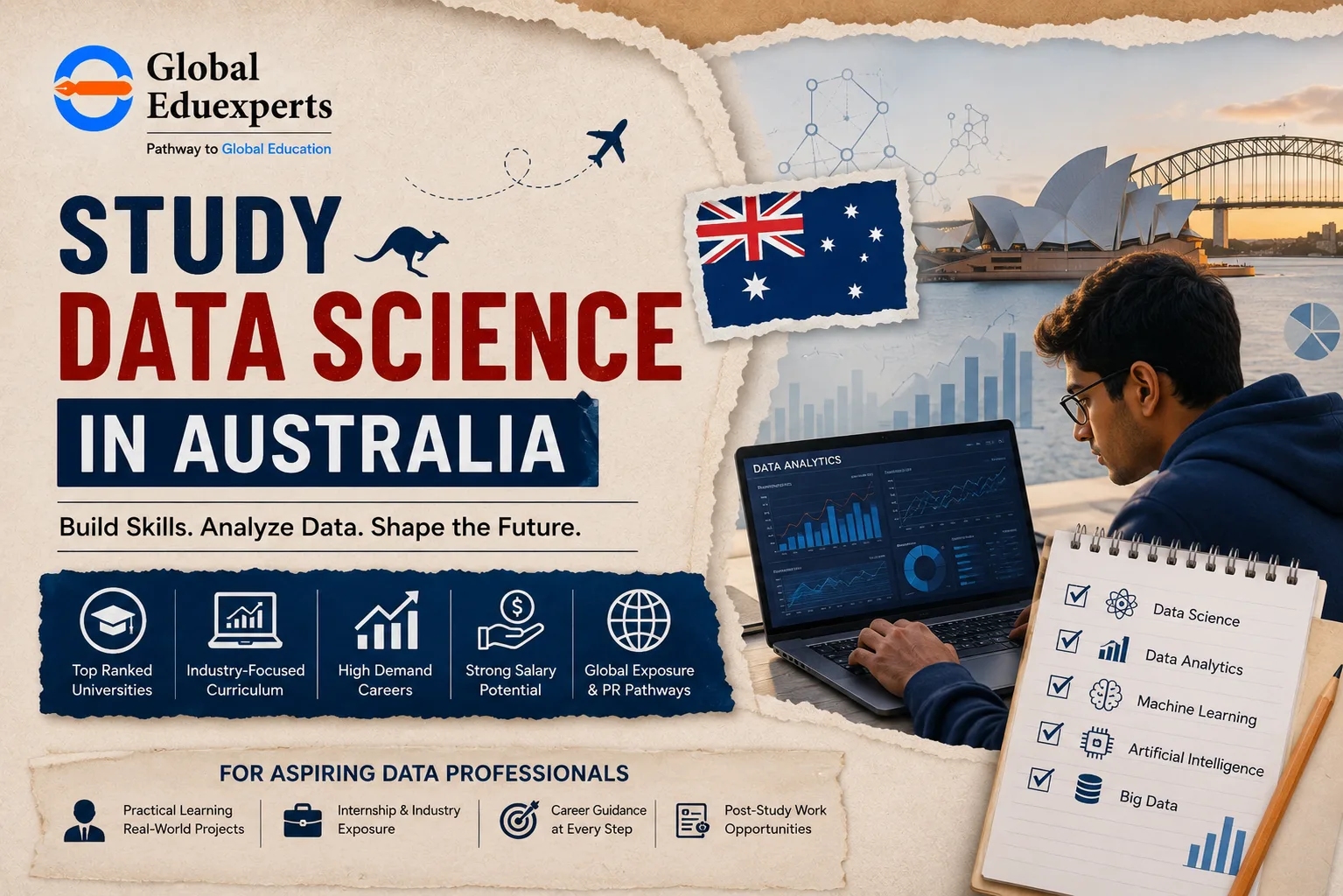
Studying Data Science in Australia gives students access to globally recognized universities, industry-focused learning, and career opportunities i...

Planning a Germany student visa requires more than submitting an application. It involves understanding the visa processing timeline, preparing the...

Sending a child abroad for higher education involves much more than securing university admission. It requires careful planning around course selec...
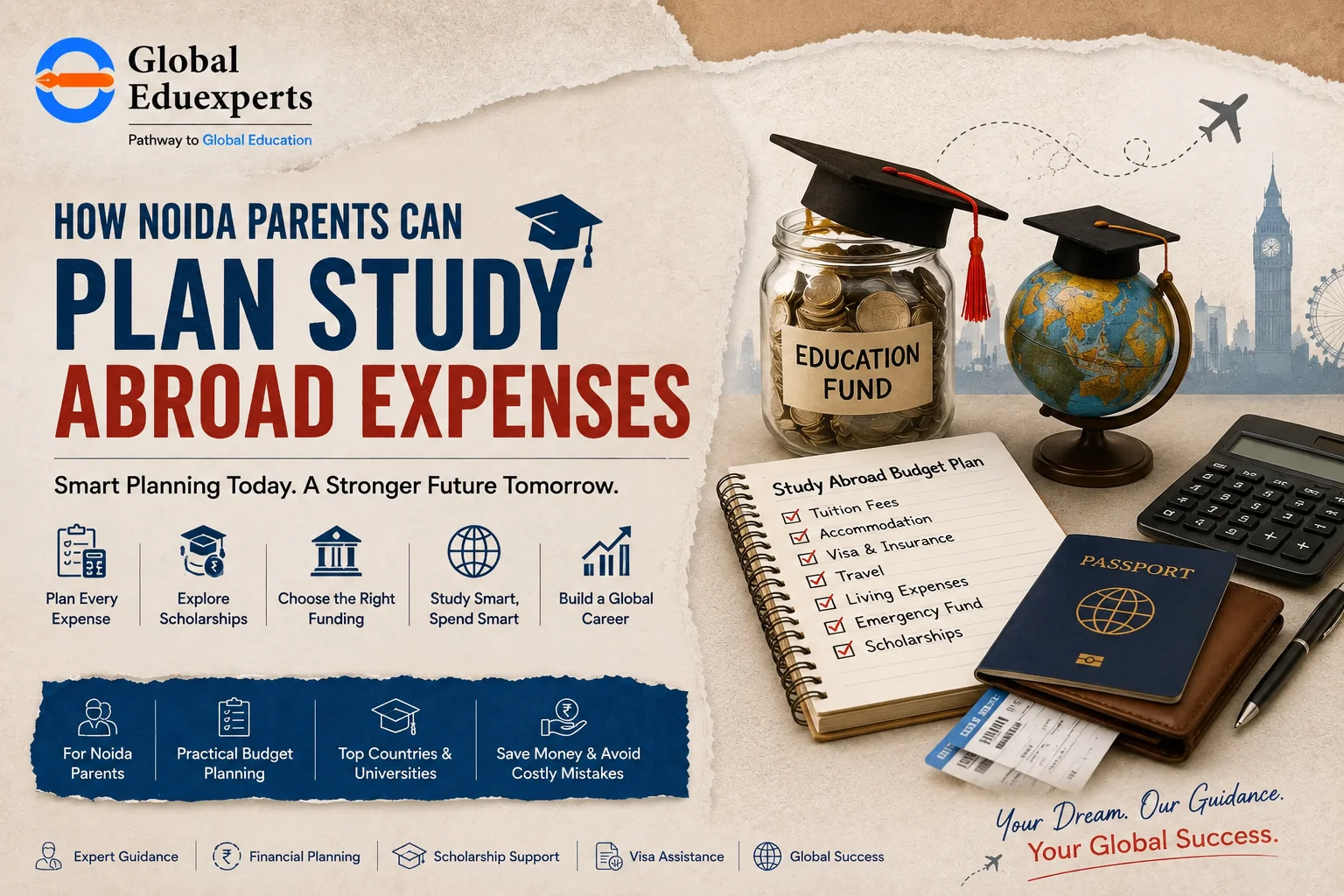
Planning study abroad expenses helps Noida parents make informed financial decisions before their child begins the overseas admission process. By u...
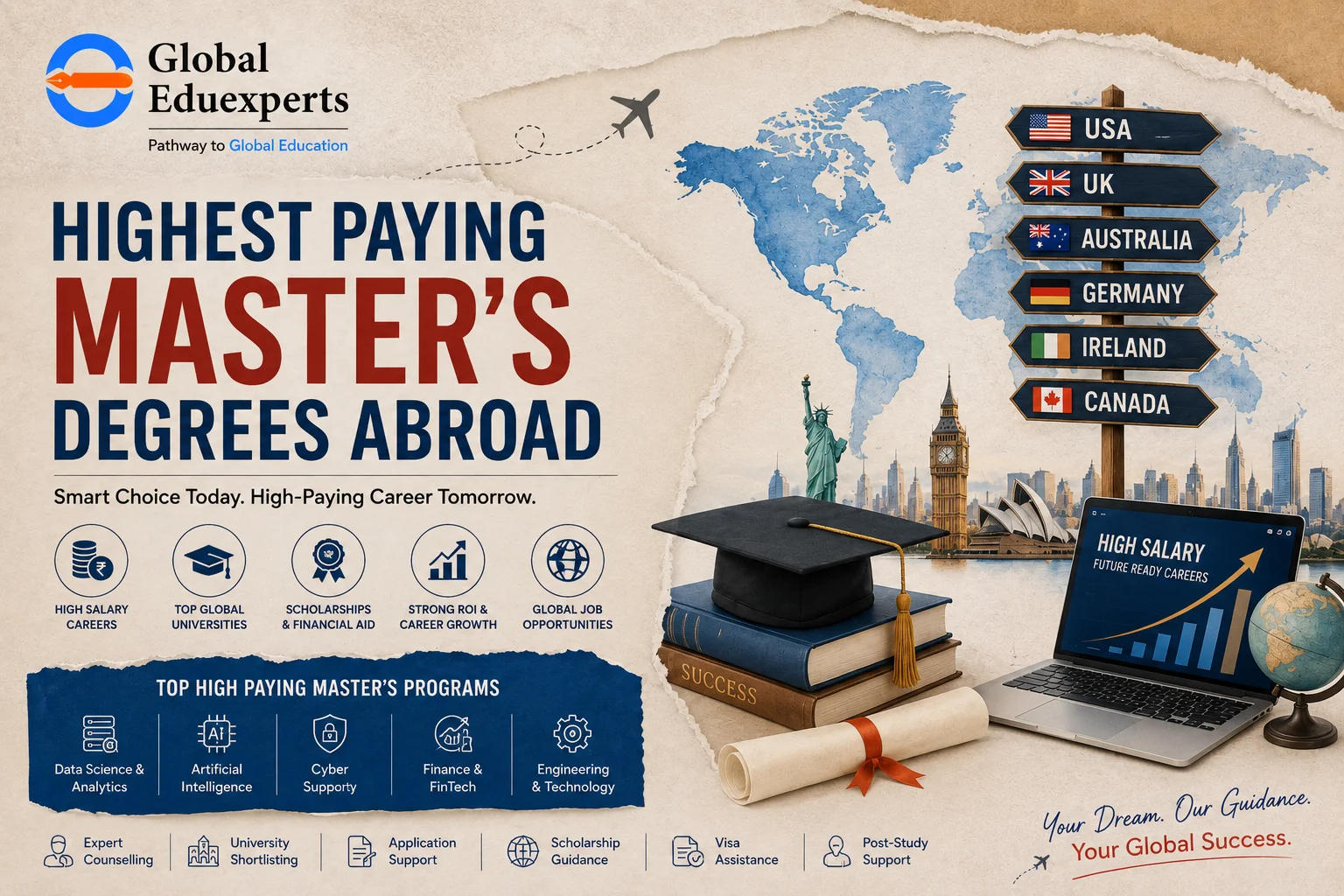
Pursuing one of the highest paying master's degrees abroad helps Indian students build specialized skills that are in demand across global industri...
Understanding Student Visa Rules is essential for Indian students planning to study abroad in an evolving immigration landscape. This guide explain...


