 Request a Call Back
 WhatsApp
 +91 9999666611
Studying Data Science in Australia gives students access to globally recognized universities, industry-focused learning, and career opportunities i...

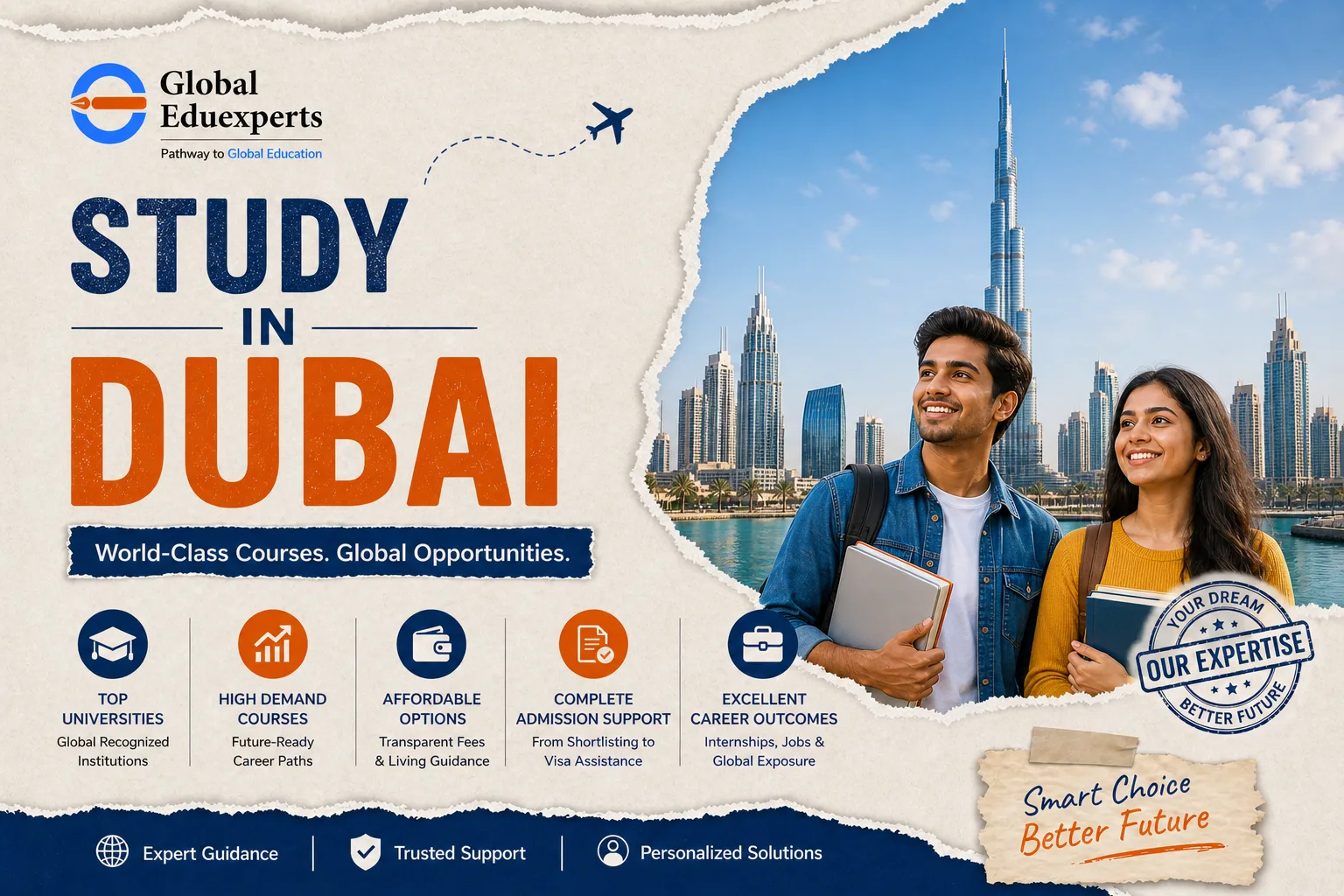
Guidance for courses in Dubai helps Indian students choose suitable academic programs based on career goals, industry demand, budget, and future job opportunities. It supports students exploring MBA, technology, hospitality, aviation, healthcare, diploma, and short-term study options by providing clarity on admissions, tuition fees, eligibility requirements, and career pathways, leading to more informed international education and professional growth decisions.
Dubai has become much more than a travel and business destination.
Over the last few years, it has quietly turned into a serious education hub for international students — especially for Indian students looking for international exposure without always moving too far from home.
That’s why searches around courses in Dubai have increased steadily.
But students usually discover something interesting once they begin proper research:
Studying in Dubai feels different from traditional study destinations like the UK, Canada, or Australia.
The environment is faster, more industry-driven, and heavily connected to business and international networking.
Dubai’s education system is built around:
Many universities operating in Dubai are branch campuses of:
That gives students access to globally aligned education while studying in the Middle East.
Students exploring study in Dubai courses often notice the environment feels:
There isn’t just one reason.
Several practical factors attract Indian students toward Dubai:
For some students, Dubai also feels culturally easier to adapt to compared to moving directly into Western countries.
That comfort matters more than students initially realize.
This is where students need to think carefully.
Not every course creates the same opportunities in Dubai.
The city’s economy is heavily connected to:
That’s why students researching best courses to study in Dubai usually focus on programs connected with these industries.
The course should match the market realistically.
Students often describe Dubai’s academic environment as:
Universities commonly emphasize:
This works well for students who want career-focused international experience early.
But it also means students need strong adaptability and communication skills.
A common issue appears here.
Students sometimes choose Dubai only because:
Later, they realize long-term success still depends heavily on:
The location alone does not create outcomes.
If you are exploring courses in Dubai for Indian students, the better question is not:
Is Dubai becoming popular for studies?
It should be:
Does the course I’m choosing realistically connect with the industries and career opportunities available in Dubai?
Because Dubai offers strong exposure and fast-moving professional environments.
But students who align their education with the market usually benefit the most later on.
Explore Study in Dubai opportunities to understand universities, student life, career exposure, and global learning pathways for Indian students.
Students usually begin with one practical question:
Which courses actually create career opportunities in Dubai?
And honestly, that’s the right way to think about it.
Because Dubai’s education system is deeply connected to its economy. The city moves fast, industries evolve quickly, and employers often prioritize practical skills and international exposure.
That’s why students researching courses in Dubai should focus heavily on industry demand — not only course popularity.
Dubai is strongly connected with industries like:
This directly influences which academic programs remain in demand.
Students exploring high demand courses in Dubai often choose fields that align closely with these sectors because they connect more naturally with the local job market.
Business-related programs remain among the most preferred options.
Students commonly choose:
Dubai’s position as a global business hub makes these programs attractive for students seeking multinational work environments.
That’s one reason mba in dubai continues attracting Indian and international students consistently.
Dubai’s tourism sector plays a major role in its economy.
That creates opportunities in:
Students interested in customer-facing international industries often find Dubai highly relevant for hospitality education.
The exposure feels practical from the beginning.
This shift has become much more noticeable recently.
Dubai is investing heavily in:
That’s why students researching best courses to study in Dubai increasingly move toward:
Technology-driven industries are expanding quickly in the region.
Dubai’s position as a global transit and logistics hub creates specialized opportunities too.
Students often explore:
Very few destinations combine international aviation exposure with education as directly as Dubai does.
Students choosing healthcare or finance-related programs often benefit from Dubai’s:
These industries may not always trend loudly online… but they remain professionally important.
A common issue appears repeatedly.
Students sometimes choose courses simply because:
Later, they realize they are not genuinely interested in the work itself.
And that becomes difficult long term.
If you are exploring courses in Dubai for Indian students, the better question is not:
Which course is most popular right now?
It should be:
Which course realistically matches both Dubai’s industry demand and my own long-term strengths and interests?
Because Dubai rewards practical skills and adaptability strongly.
And students who align their course with real market opportunities usually grow much faster professionally later on.
Understand Dubai Cost details before choosing career-focused courses and planning your overall education budget.
Business education in Dubai feels very connected to the real corporate world.
That’s one reason students researching courses in Dubai often become interested in MBA and management programs fairly quickly. The city itself operates like an international business environment — fast-moving, multicultural, and heavily network-driven.
And students feel that influence even during their studies.
Dubai has positioned itself as a major international business hub connecting:
Because of that, students studying business there often gain exposure to:
This creates a very practical learning atmosphere for students exploring mba in dubai and related management programs.
Students today rarely look for only a general MBA anymore.
Most prefer specialized business programs aligned with industry demand.
| Business Specialization | Why Students Choose It | Career Direction |
|---|---|---|
| Finance | Dubai’s strong banking and investment sector | Banking, Investment, Financial Analysis |
| Marketing | Growing digital and international business market | Brand Management, Digital Marketing |
| Business Analytics | Data-driven business decision making | Analyst, Strategy Roles |
| International Business | Dubai’s global trade environment | Global Operations, Trade Management |
| Human Resource Management | Corporate workforce expansion | HR Operations, Talent Management |
These programs are often considered among the best courses to study in Dubai because they connect closely with the city’s business ecosystem.
Students often describe Dubai’s corporate environment as:
Unlike some destinations where industries feel more localized, Dubai’s business environment involves professionals from many countries working together daily.
That exposure helps students understand:
And honestly, that experience itself becomes valuable professionally later.
This shift is becoming very clear now.
Students researching high demand courses in Dubai increasingly prefer programs connected with:
Traditional management alone is no longer enough in many industries.
Companies increasingly expect business graduates to understand both management and technology-driven decision making.
Students balancing work and education sometimes explore:
These pathways attract working professionals who want international exposure without completely stepping away from their careers.
But program quality matters heavily here.
Not all online programs provide equal industry value.
Some students choose business programs only because:
Later, they realize business careers demand:
The degree helps. Personal capability matters much more afterward.
If you are exploring courses in Dubai for Indian students, the better question is not:
Which MBA specialization sounds most impressive?
It should be:
Which business field realistically matches both my strengths and Dubai’s industry environment?
Because Dubai offers strong international business exposure.
But students who combine education with practical skills and networking usually benefit the most long term.
Explore UK Courses to compare international MBA, finance, and business management opportunities with Dubai programs.
Technology education in Dubai has changed rapidly over the last few years.
Earlier, students mostly connected Dubai with business, hospitality, or tourism. But now, the city is investing heavily in digital transformation, smart infrastructure, artificial intelligence, and technology-driven industries.
That shift has made IT and technical programs much more important for students exploring courses in Dubai.
And honestly, the demand is still growing.
Dubai is actively building sectors connected with:
This creates demand for graduates who understand both technical skills and modern digital environments.
That’s why students researching high demand courses in Dubai increasingly move toward technology-focused programs.
Some technical fields consistently remain popular because they align closely with current industry demand.
| Technology Course Area | Why It’s Growing | Career Direction |
|---|---|---|
| Data Science & Analytics | Data-driven industries expanding | Data Analyst, BI Specialist |
| Cybersecurity | Rising digital security demand | Security Analyst, Cybersecurity Roles |
| Artificial Intelligence | AI adoption across industries | AI Engineer, Machine Learning Roles |
| Software Engineering | Growing tech and app ecosystem | Developer, Software Architect |
| Cloud Computing & Networking | Business digital infrastructure growth | Cloud Engineer, IT Operations |
These programs are often considered among the best courses to study in Dubai because they connect directly with Dubai’s digital economy goals.
This trend has become very noticeable.
Students earlier focused mainly on general IT degrees.
Now many prefer:
Why?
Because companies increasingly depend on:
And Dubai is investing aggressively in these sectors.
As businesses move further into digital systems, cybersecurity demand keeps rising.
Students exploring courses in Dubai for Indian students often notice cybersecurity programs gaining attention because:
This field tends to reward students who enjoy problem-solving and technical precision.
Students studying technology in Dubai often experience:
The environment feels highly career-oriented from the beginning.
But it also moves quickly.
Students need to continuously upgrade skills because technology changes faster than most industries.
Some students choose IT programs simply because:
Later, they realize technical fields require:
Without genuine interest, staying competitive becomes difficult long term.
If you are exploring study in Dubai courses, the better question is not:
Which IT course is trending right now?
It should be:
Which technical field can I realistically continue learning and growing in over the next several years?
Because technology industries create strong opportunities.
But long-term success usually comes from consistency, adaptability, and real technical capability — not just course selection alone.
Explore USA Courses to compare global technology, AI, and software-focused education opportunities.
Dubai’s global image is closely connected with tourism, luxury hospitality, airlines, and international travel.
That’s one reason students exploring courses in Dubai often become interested in hospitality and aviation-related programs. The city itself functions like a live industry environment where tourism, hotels, airports, and international business activity operate constantly.
And students notice that atmosphere immediately after arriving.
Dubai’s economy depends heavily on:
Because of that, the demand for trained professionals in these sectors remains steady.
Students researching best courses to study in Dubai often consider:
These programs connect naturally with Dubai’s business ecosystem.
Students studying hospitality in Dubai often experience:
The environment usually emphasizes:
This works well for students who enjoy fast-paced and people-oriented industries.
Dubai is home to one of the world’s busiest aviation environments.
That creates opportunities in:
Students exploring high demand courses in Dubai sometimes choose aviation because the city’s global connectivity creates strong industry relevance.
Very few study destinations combine aviation exposure and international travel infrastructure at this scale.
Dubai constantly hosts:
That supports demand for graduates in:
The industry rewards students who can handle dynamic and multicultural environments.
This is something students should understand early.
Hospitality and tourism careers often involve:
The industry can be rewarding professionally, but it requires patience, adaptability, and strong interpersonal skills.
Students choosing these programs only because the lifestyle “looks attractive” online sometimes struggle later.
In hospitality and aviation, technical knowledge alone is not enough.
Students usually need:
Dubai’s international workforce makes these skills extremely important.
If you are exploring courses in Dubai for Indian students, the better question is not:
Which hospitality or aviation course sounds exciting?
It should be:
Can I realistically thrive in a fast-paced, customer-focused, and internationally competitive industry environment?
Because Dubai offers excellent exposure in hospitality, tourism, and aviation.
But students who genuinely enjoy working with people and adapting to dynamic environments usually grow the most successfully in these industries later on.
Explore Study in Australia opportunities for hospitality, tourism, and globally recognized career-focused education pathways.
Not every student wants a long university pathway.
Some students are looking for something more practical:
That’s where short term courses in Dubai and diploma programs become important.
And honestly, Dubai suits this model quite well because the city itself is highly career-oriented and industry-driven.
These programs are generally designed around:
Students exploring courses in Dubai for Indian students often choose diploma and certificate programs in areas like:
Most programs range between:
| Program Type | Typical Duration | Main Focus |
|---|---|---|
| Certificate Courses | 6–12 months | Skill-specific training |
| Diploma Programs | 1–2 years | Industry-oriented practical learning |
| Vocational Programs | Varies | Workforce preparation |
The structure usually feels more applied and less research-focused than traditional degrees.
There are a few common reasons students move toward diploma and vocational programs:
For some students, this route feels financially and professionally more realistic than committing to long academic programs immediately.
This is where Dubai becomes attractive for vocational education.
The city strongly values:
Students often experience:
The learning environment tends to feel directly connected to the professional world.
Students researching high demand courses in Dubai commonly explore:
These fields align closely with Dubai’s strongest industries and workforce demand.
Some students focus only on:
That approach creates problems later.
The more important questions are:
A short course without industry relevance may not create meaningful opportunities afterward.
This is important.
Diploma and vocational pathways may help students enter industries faster.
But long-term career growth still depends on:
The course creates the starting point.
Career growth still requires continuous effort afterward.
If you are exploring study in Dubai courses, the better question is not:
Which course finishes the fastest?
It should be:
Which short-term program builds practical skills that can realistically support my long-term career growth?
Because faster education timelines help.
But sustainable employability matters much more over time.
Explore Study in Asia opportunities for practical, affordable, and career-focused international education options.
This is usually where students start thinking more realistically about studying abroad.
Because once the excitement around universities and courses settles slightly, the next question becomes unavoidable:
How much will studying in Dubai actually cost?
And honestly, the answer depends heavily on:
Dubai can feel manageable for some students… and expensive for others.
A lot depends on planning.
Not all courses in Dubai cost the same.
Programs connected with:
…usually sit on the higher side.
Short-term diploma programs are often more affordable comparatively.
| Course Type | Average Tuition Range | Main Cost Factors |
|---|---|---|
| Undergraduate courses in Dubai | AED 35,000 – AED 80,000+ per year | University reputation and specialization |
| MBA in Dubai | AED 45,000 – AED 120,000+ | Business school and international affiliation |
| Technology and IT programs | AED 40,000 – AED 90,000+ | Technical infrastructure and course level |
| Diploma and certificate courses | AED 10,000 – AED 35,000 | Duration and practical training |
International branch campuses usually charge more than local institutions.
This is where budgets often change quickly.
Students typically choose between:
Accommodation costs vary heavily depending on:
Areas closer to central business and university zones usually cost more.
And honestly, Dubai’s housing market can feel fast-moving for international students initially.
One advantage Dubai offers is relatively organized public transportation.
Students commonly use:
Compared to some larger international destinations, daily transportation can feel more manageable if students live strategically near universities or metro routes.
Still, transport expenses add up gradually over time.
This part matters more than students initially realize.
Dubai offers:
Students who spend casually often notice expenses increasing quickly.
Meanwhile, students who budget carefully can manage costs much more comfortably.
The city gives both possibilities.
Different courses in Dubai for Indian students create very different financial outcomes.
For example:
So students should evaluate:
…not just tuition alone.
Some students hope part-time work will cover major expenses.
But Dubai’s student work environment differs from countries like Canada or Australia.
Part-time opportunities may exist depending on visa conditions, university structure, and industry access… but students should not rely completely on them for financial survival.
Strong financial preparation remains important.
If you are exploring study in Dubai courses, the better question is not:
Which course costs the least?
It should be:
Which course creates a realistic balance between affordability, employability, and long-term career growth?
Because lower cost alone rarely creates strong outcomes.
And students who plan financially with realism usually adapt much more comfortably after arriving in Dubai.
Explore Dubai Cost guidance to understand tuition fees, living expenses, and financial planning for Indian students.
This is usually the stage where students begin comparing their profile with university expectations.
And honestly, this part creates a lot of confusion initially.
Because students exploring courses in Dubai often wonder:
The good part is that Dubai offers a wide range of institutions and programs, so eligibility requirements can vary quite a lot depending on:
That flexibility helps many students.
The first thing universities usually evaluate is previous education.
For example:
| Course Level | Common Academic Requirement |
|---|---|
| Undergraduate courses in Dubai | Completion of 12th grade |
| Master’s programs | Bachelor’s degree in relevant field |
| Diploma and certificate courses | Varies by institution and program |
Technical and healthcare-related courses may expect stronger subject-specific academic backgrounds.
Business and management programs sometimes focus more on the overall profile and communication ability.
Since most programs are taught in English, language proficiency becomes important.
Common accepted tests include:
Typical score expectations often range around:
Some institutions may offer:
But students should always verify this directly because policies differ between universities.
Applications for courses in Dubai for Indian students commonly require:
Some universities may also request:
The requirements themselves are usually manageable.
The challenge is preparing a complete and professional application profile.
Students applying for:
…may encounter stricter requirements related to:
That’s why students researching mba in dubai should evaluate eligibility carefully before applying randomly to multiple programs.
Students exploring short term courses in Dubai often find:
These programs can work well for students focused on practical career entry rather than long academic pathways.
Some students focus only on:
But admission decisions often involve more than marks alone.
Universities also look at:
A disconnected profile creates confusion during evaluation.
If you are planning to apply for study in Dubai courses, the better question is not:
Do I barely meet the minimum requirement?
It should be:
Does my academic background, communication ability, and career direction realistically align with the course I’m choosing?
Because eligibility is not only about qualifying for admission.
It’s about whether the course actually fits the student’s future direction properly.
Understand Dubai Eligibility requirements including academics, English proficiency, and admission documentation for Indian students.
This is usually the point where students feel the most uncertain.
Not because there are no options.
Because there are too many.
Once students begin exploring courses in Dubai, they quickly start hearing different advice:
After a while, the process becomes confusing instead of helpful.
And honestly, this is where many students make rushed decisions.
A common mistake students make is choosing courses based only on:
Then later, they try adjusting themselves to the course.
That approach usually creates frustration.
The better starting point is:
What kind of work do I realistically see myself doing in the future?
Because the course should support the career.
Not the other way around.
Dubai’s economy is highly industry-driven.
The strongest sectors often include:
That’s why students researching high demand courses in Dubai usually focus on programs connected with these industries.
But industry demand alone should not decide everything.
This part gets ignored surprisingly often.
Some students choose:
Later, they struggle with both academics and career growth.
Because success depends on more than job demand.
It also depends on whether students can genuinely perform well in that field over time.
Students often focus only on:
But different courses in Dubai for Indian students create very different financial realities.
For example:
So the decision should include:
Not just reputation alone.
This happens constantly now.
Students sometimes:
Then reality feels very different after graduation.
Because industries reward:
Not just course titles.
Some courses may look exciting initially.
But students should also ask:
Because career growth becomes difficult when students choose industries they cannot sustain emotionally or professionally.
If you are exploring study in Dubai courses, the better question is not:
Which course is most popular in Dubai right now?
It should be:
Which course realistically matches my strengths, financial situation, and the industries growing in Dubai?
Because Dubai creates opportunities for many sectors.
But students who align education with both market demand and personal capability usually build stronger careers long term.
Explore Ireland Courses to compare international career-focused programs across business, technology, healthcare, and management sectors.
This is usually the question students think about from the very beginning… even before applying.
Because when students explore courses in Dubai, they are not only looking at education.
They are also thinking about:
And honestly, Dubai’s appeal has grown mainly because of its fast-moving international business environment.
One thing students notice quickly in Dubai is how global the workforce feels.
Companies often hire professionals from:
That creates exposure to:
Students completing courses in Dubai for Indian students often value this professional environment because it builds international workplace experience early.
Dubai’s strongest hiring sectors are closely connected with the city’s economy.
| Industry | Common Career Roles |
|---|---|
| Business & Management | Operations, Sales, Marketing, HR |
| Hospitality & Tourism | Hotel Operations, Guest Relations, Event Management |
| Technology & IT | Data Analytics, Software Development, Cybersecurity |
| Aviation & Logistics | Airport Operations, Supply Chain, Airline Services |
| Finance & Banking | Financial Analysis, Accounting, Business Support |
Students choosing high demand courses in Dubai usually focus on industries where hiring activity remains more consistent.
This part becomes extremely important.
Dubai’s professional market often values:
Students who complete:
…usually adapt more smoothly after graduation.
That’s why many universities in Dubai emphasize industry interaction during the course itself.
Students sometimes search:
Which course gives the highest salary in Dubai?
But salaries depend on much more than course titles alone.
Important factors include:
Technology, finance, aviation, and business management often provide stronger salary potential… but competition is high too.
Students often notice something important about Dubai’s work culture:
The city moves quickly.
Professionals who adapt well, communicate confidently, and continuously upgrade their skills usually progress faster.
Some students assume international education automatically guarantees:
That expectation creates disappointment later.
Dubai offers opportunities, but career growth still requires:
The environment is competitive.
One reason students value Dubai experience is because many industries there operate internationally.
Professional exposure in:
…can sometimes help students later transition into global career opportunities beyond the UAE itself.
If you are exploring study in Dubai courses, the better question is not:
Will I definitely get a high-paying job after graduation?
It should be:
Am I choosing a course that helps me build practical skills aligned with Dubai’s industries and international work culture?
Because Dubai creates strong exposure and career opportunities.
But long-term professional growth usually comes from the student’s ability to perform consistently in a highly competitive environment.
Explore Dubai Visa guidance to understand student visa processes, documentation, and education-related travel requirements for Dubai.
Please Note: All information is sourced from web and the data may vary. kindly refer to Official or Government websites for the most accurate details.
Explore top urses universities, MBA, Masters, PhD & nursing courses. Expert study abroad consultants in Noida offering free counseling for urses education.
The best courses to study in Dubai usually include Business Management, MBA, Hospitality, Aviation, Data Science, Cybersecurity, Finance, and Healthcare-related programs. These courses align closely with Dubai’s growing industries and international business environment. However, students should choose courses based on career goals, industry demand, communication skills, and long-term professional interests rather than trends alone.
Yes, Dubai has become a popular international education hub because of its global university campuses, multicultural environment, and strong industry exposure. Students exploring study in Dubai courses often prefer Dubai because it offers international education closer to India while providing opportunities in business, technology, hospitality, and aviation sectors connected with global markets.
The cost of courses in Dubai for Indian students depends on the university, course type, and lifestyle choices. Tuition fees can range from affordable diploma programs to higher-cost MBA and aviation programs. Students should also plan for accommodation, transportation, food, and personal expenses because living costs vary significantly depending on the area and lifestyle maintained in Dubai.
Yes, short term courses in Dubai can help students build practical and industry-focused skills more quickly. Diploma and vocational programs are commonly chosen in fields like hospitality, IT, business management, and aviation. However, students should select recognized institutions and industry-relevant programs because employability depends heavily on practical skills and market demand.
Students completing high demand courses in Dubai often explore opportunities in business, hospitality, technology, finance, aviation, healthcare, and logistics sectors. Dubai’s international business environment creates exposure to multinational workplaces and multicultural industries. Career growth usually depends on practical experience, communication skills, internships, networking ability, and continuous skill development after graduation.

Studying Data Science in Australia gives students access to globally recognized universities, industry-focused learning, and career opportunities i...
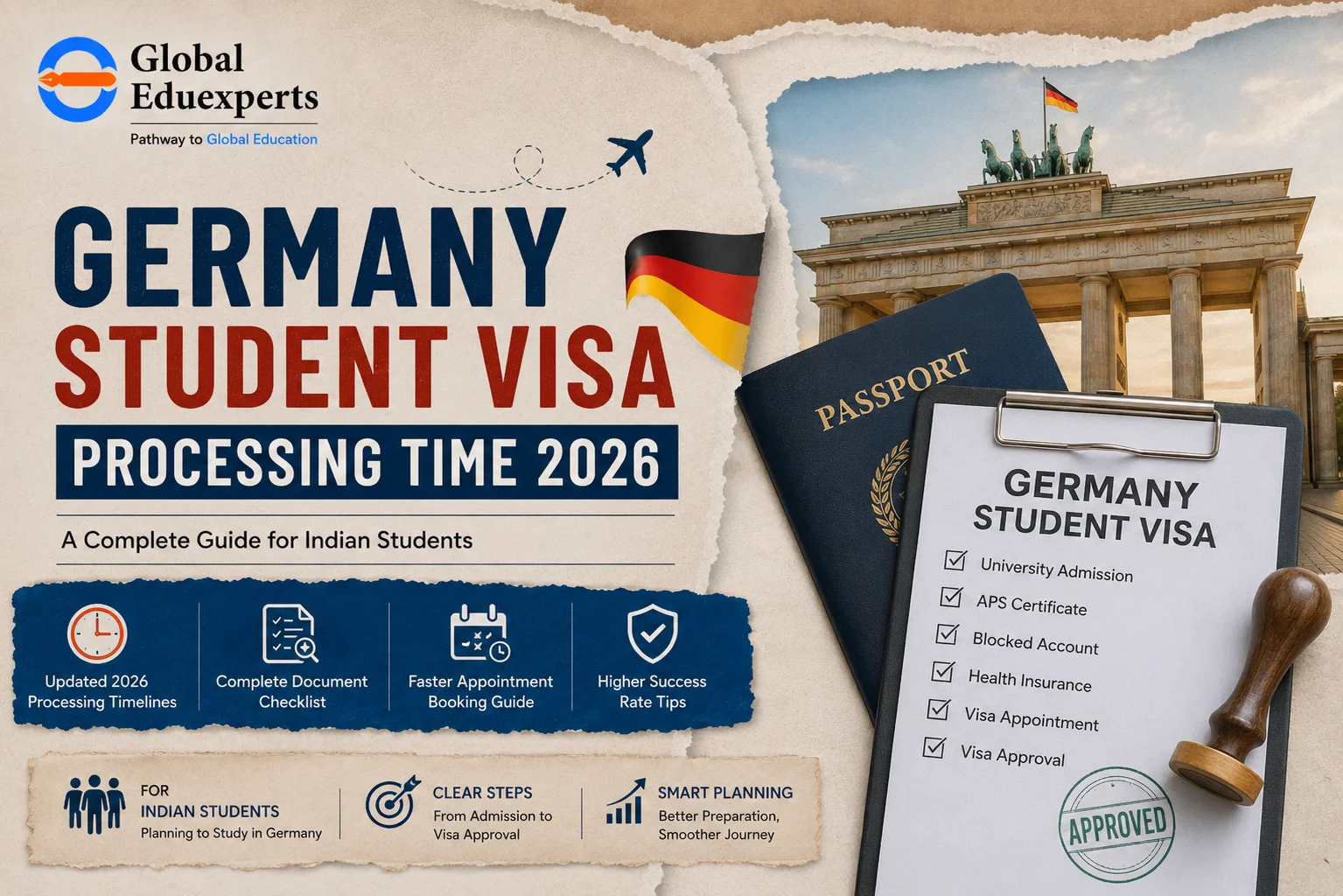
Planning a Germany student visa requires more than submitting an application. It involves understanding the visa processing timeline, preparing the...

Sending a child abroad for higher education involves much more than securing university admission. It requires careful planning around course selec...
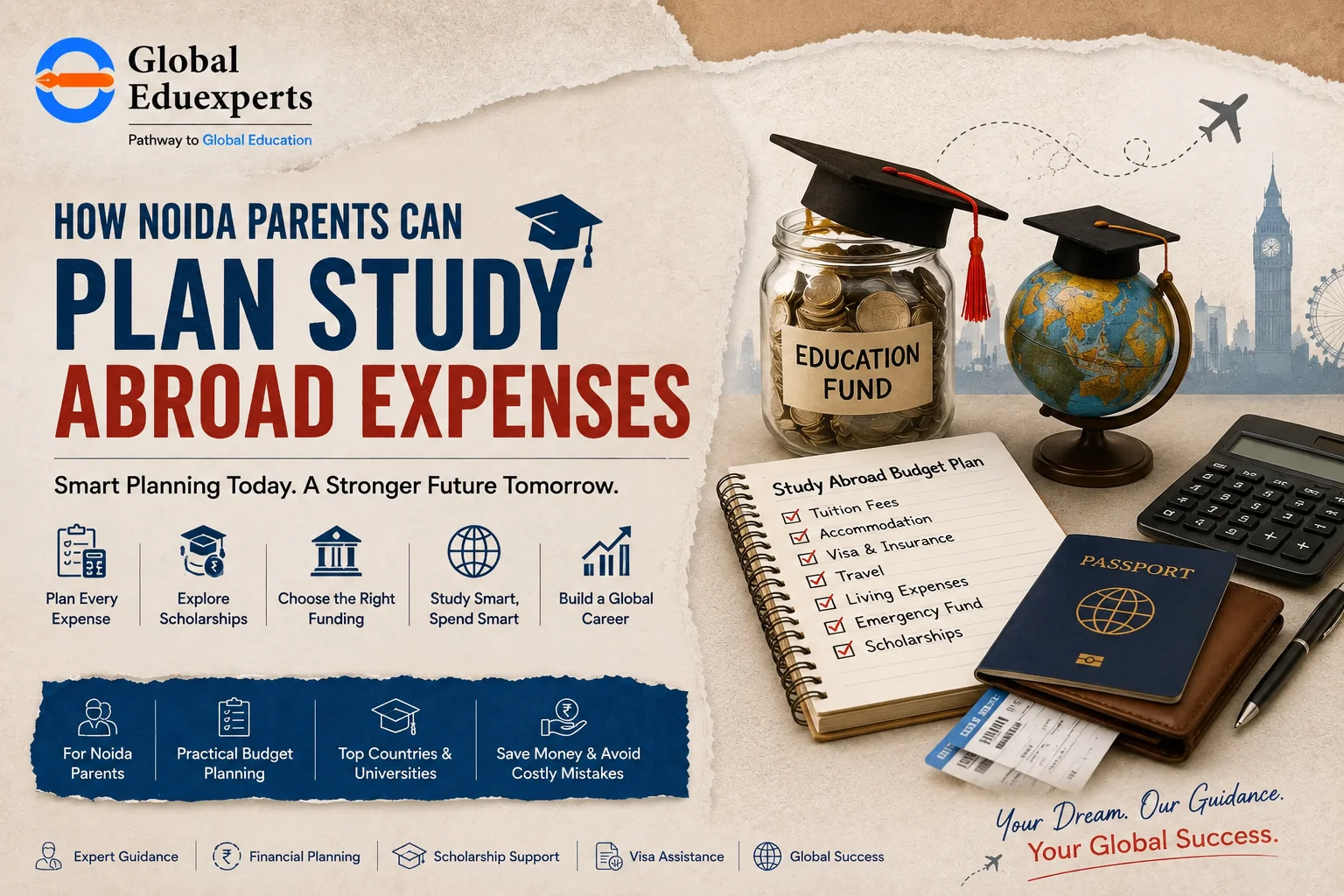
Planning study abroad expenses helps Noida parents make informed financial decisions before their child begins the overseas admission process. By u...
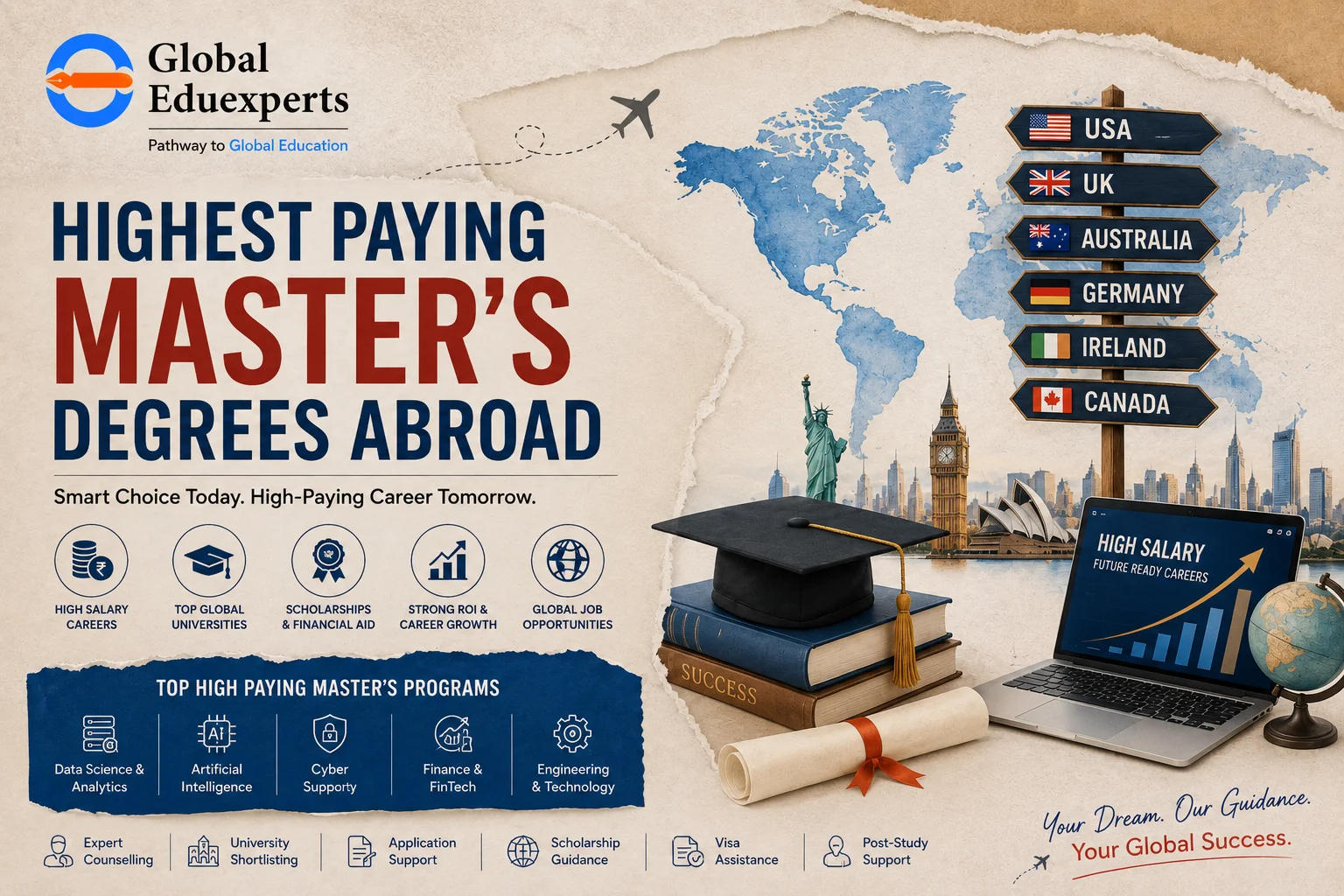
Pursuing one of the highest paying master's degrees abroad helps Indian students build specialized skills that are in demand across global industri...
Understanding Student Visa Rules is essential for Indian students planning to study abroad in an evolving immigration landscape. This guide explain...


