 Request a Call Back
 WhatsApp
 +91 9999666611
Studying Data Science in Australia gives students access to globally recognized universities, industry-focused learning, and career opportunities i...

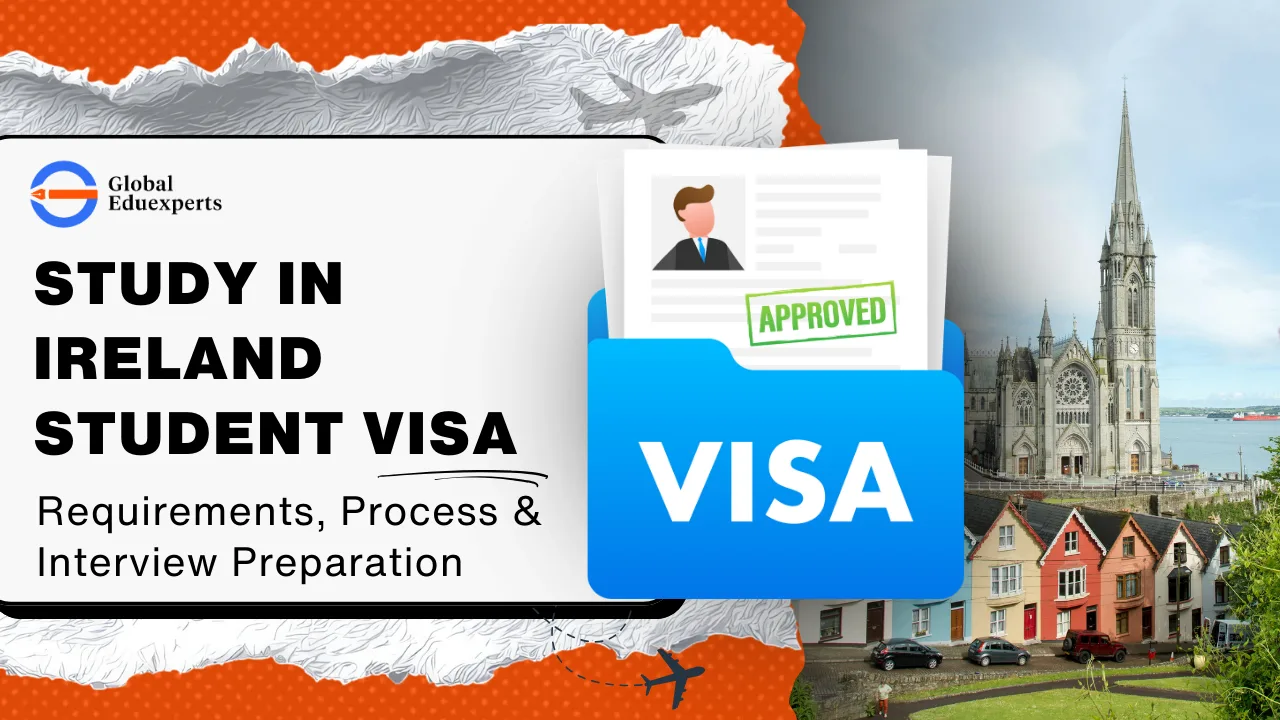
This service explains the Ireland student visa process, including eligibility requirements, required documents, application steps, visa fees, and interview preparation. It is designed to help students, working professionals, and parents understand how to apply for a study visa to Ireland and prepare their applications correctly. The main outcome is a clear understanding of the Ireland study visa process so applicants can plan their study journey with proper documentation, realistic expectations, and better preparation.
Many students planning to study abroad often start with a simple question: Do I need a visa to study in Ireland? In most cases, international students from countries outside the European Union, including India, are required to obtain an Ireland student visa before beginning their academic program. This visa allows students to legally enter Ireland and stay in the country while completing full-time studies at an approved educational institution. Understanding the Ireland student visa requirements early in the planning stage helps students prepare their applications with clarity and avoid unnecessary delays.
The student visa is designed to confirm that applicants genuinely intend to study and meet immigration guidelines set by Irish authorities. Typically, students accepted into undergraduate, postgraduate, diploma, or research-based programs must apply for a study visa before traveling to Ireland. The visa process connects closely with university admission, as applicants usually need an official offer letter or enrollment confirmation from a recognized Irish institution before submitting their application. This system helps immigration authorities verify that students are entering Ireland for legitimate academic purposes.
While the overall process may seem complex at first, the Ireland study visa requirements are structured to evaluate academic intent, financial readiness, and compliance with immigration policies. Students applying for a visa student Ireland program should begin the visa process soon after receiving their admission confirmation to allow enough time for document preparation and processing. It is important to remember that visa rules may vary based on nationality and course type, and requirements remain subject to updates under official immigration policies.
| Study Level / Program | Estimated Tuition Fees (Per Year) | Estimated Living Cost (Per Year) | Visa Fees & Government Charges | Key Visa Requirements | Essential Documents |
|---|---|---|---|---|---|
| Undergraduate Degree (Bachelor’s) | €9,000 – €25,000 | €10,000 – €12,000 | Visa application approx. €60–€100 (single/multiple entry) + other administrative charges | Admission from recognized Irish university, financial proof for tuition and living expenses, genuine study intent | Valid passport, university offer letter, academic transcripts, financial proof (bank statements/sponsor documents), visa application form |
| Master’s Degree (MS / MSc / MA) | €10,000 – €30,000 | €10,000 – €12,000 | Ireland study visa cost approx. €60–€100 + service charges if applicable | Confirmed admission to a postgraduate program, financial ability to support studies, clear academic progression | Passport, admission confirmation, previous degree certificates, bank statements, visa application form, passport photographs |
| MBA Programs | €12,000 – €35,000 | €10,000 – €12,000 | Student visa fee approx. €60–€100 plus biometric or processing charges if required | Offer letter from university, financial stability, professional or academic background suitable for MBA | Passport, university acceptance letter, academic records, financial proof, visa application confirmation |
| PhD / Research Programs | €6,000 – €20,000 | €10,000 – €12,000 | Visa fee approx. €60–€100 | Research admission confirmation, supervisor approval, financial resources for long-term stay | Passport, research offer letter, academic qualifications, financial documents, visa application form |
| Diploma / Certificate Programs | €6,000 – €15,000 | €10,000 – €12,000 | Visa application fee approx. €60–€100 | Admission to an approved diploma program, financial evidence, clear study purpose | Passport, course offer letter, academic certificates, bank statements, visa application form |
| English Language Programs | €3,000 – €8,000 (course dependent) | €10,000 – €12,000 | Visa fee approx. €60–€100 | Enrollment in an approved language school, financial support proof | Passport, language school admission letter, financial documents, visa application form |
Important Notes
Tuition fees and living costs represent general estimates for studying in Ireland and may vary depending on the university, course, and city.
Living expenses depend on lifestyle, accommodation choice, and location such as Dublin or other Irish cities.
Ireland student visa requirements may include financial evidence showing the ability to support tuition and living expenses during studies.
Visa fees and documentation requirements are subject to change based on Irish immigration policies.
Final visa decisions are always made by immigration authorities after reviewing the student’s profile and application.
Many students preparing their visa application often wonder whether meeting basic document requirements is enough to qualify for an Ireland student visa. In reality, visa officers evaluate applications more broadly. Instead of reviewing a simple checklist, immigration authorities assess whether a student demonstrates genuine academic intent, financial preparedness, and the ability to comply with immigration regulations. Understanding how Ireland student visa requirements are evaluated can help applicants prepare a stronger and more transparent application.
One of the most important eligibility factors is confirmed admission from a recognized Irish educational institution. Students must usually receive an official offer or enrollment confirmation from an approved university or college before applying. This requirement ensures that the applicant has a legitimate academic pathway and intends to pursue full-time studies. Alongside admission confirmation, applicants must also demonstrate the ability to support their education financially. Immigration authorities typically expect students to show proof that they can cover tuition fees, living expenses, and other costs associated with studying abroad. Financial documentation helps confirm that students will be able to maintain their stay without facing financial instability.
Another key part of student visa requirements Ireland involves demonstrating genuine study intentions and clear academic goals. Visa officers often evaluate whether the chosen program logically connects with the student’s previous education, career direction, or future plans. A well-prepared application usually explains why the course and institution were selected and how the program contributes to long-term academic or professional development. Students applying for a visa student Ireland program should also ensure that all information provided across documents remains accurate and consistent. Eligibility ultimately depends on individual student circumstances, requirements may vary based on immigration policies, and final decisions are made by visa authorities.
Many students feel uncertain about preparing visa documents because even small mistakes, missing papers, or inconsistent information can create confusion during the review process. Immigration authorities reviewing an Ireland student visa application do not simply collect documents for record keeping. Each document helps them verify the applicant’s identity, academic background, and financial readiness to study abroad. Understanding the purpose behind the Ireland student visa requirements can help students prepare their applications more confidently and avoid common documentation errors.
A valid passport is one of the most important documents in the visa process. It serves as official proof of identity and travel authorization, allowing immigration authorities to confirm the applicant’s nationality and eligibility for entry into Ireland. Alongside the passport, students must complete the official visa application form through the online system used by Irish immigration authorities. This form works similarly to application forms used in other countries and collects essential personal, educational, and travel information that helps authorities assess the student’s background and study plans. Accurate information in the application form is critical because inconsistencies between documents may raise questions during the evaluation of Ireland student visa documents.
Financial documentation is another key component of the Ireland visa application requirements. Students are generally required to show evidence that they can support their tuition fees and living expenses while studying in Ireland. This may include bank statements, sponsorship evidence, or financial affidavits depending on the applicant’s situation. Academic records such as transcripts, certificates, and previous qualifications are also reviewed to confirm the student’s educational progression and suitability for the selected program. Preparing documents carefully, maintaining consistent information across forms, and organizing paperwork clearly can help create a smoother visa submission process. Students should also remember that document requirements may vary based on visa category, immigration policies may change, and final evaluation ultimately depends on visa authorities.
For many students applying abroad for the first time, the visa stage can feel complicated. Forms, documents, financial proofs, and immigration rules can make the process seem overwhelming at first. In reality, the Ireland student visa process follows a structured sequence once a student secures admission to a recognized Irish institution. Understanding how each stage connects—from university acceptance to visa approval—helps students prepare calmly and avoid last-minute confusion.
The process typically begins after receiving an official admission offer from an approved Irish university or college. Once the student accepts the offer and pays the required deposit or tuition installment, the institution issues official enrollment confirmation documents. These documents confirm that the student has a legitimate place in a full-time academic program and form the foundation of the Ireland study visa requirements. After this stage, students complete the online visa application through the Irish immigration system and pay the applicable Ireland student visa fees. The application form collects key information about the student’s identity, academic plans, and financial background, allowing immigration authorities to begin evaluating eligibility.
After submitting the visa application, applicants are usually required to prepare supporting documents and may need to complete biometric verification depending on the application location. During this stage, immigration authorities review the application to confirm academic intent, financial stability, and compliance with Ireland visa application steps established by immigration policy. Careful preparation during this stage—such as organizing documents clearly and submitting accurate information—can help prevent unnecessary delays. Students should also remember that steps may vary depending on immigration policies, Ireland student visa processing time may differ based on application volume, and final approval remains subject to visa authority evaluation.
Many students feel nervous when they reach the visa interview stage. Questions like “What if I give the wrong answer?” or “What are visa officers really checking?” are very common. In reality, the interview is not designed to trap students. Instead, it helps immigration authorities verify whether the applicant genuinely intends to study in Ireland, understands their chosen program, and has a clear financial and academic plan. Preparing calmly for the Ireland student visa interview questions can help students present their study plans with clarity and confidence.
During the interview or document evaluation stage, visa officers often focus on a few key themes. Students may be asked why they chose a specific course, why they selected a particular university in Ireland, and how the program fits into their long-term academic or career plans. Financial planning is also a common discussion point, as authorities want to confirm that students can support their education and living expenses. These questions are not meant to be difficult; they simply help officers evaluate whether the applicant understands their study decision and meets the broader Ireland study visa requirements.
Some visa refusals happen not because students lack eligibility, but because their explanations are unclear or inconsistent. Common issues may include vague study goals, confusion about course details, incomplete financial explanations, or lack of preparation. One of the most helpful Ireland visa interview tips is to review your admission documents, understand your course structure, and prepare honest answers about your study objectives. Keeping documents organized and communicating confidently can also create a positive impression. Students should remember that visa outcomes depend on individual circumstances, evaluation criteria may vary by officer, and approval decisions are made by immigration authorities.
For many students, the visa stage is where the study abroad journey begins to feel uncertain. Even after securing admission, questions about documentation accuracy, financial proof, and interview preparation can create stress. The Ireland student visa process requires careful attention to detail, and small misunderstandings about requirements can sometimes delay an application. Having the right guidance during this stage can help students organize their profile clearly and approach the process with more confidence.
Professional Ireland visa assistance typically focuses on preparation and clarity rather than promises of approval. Structured guidance may include reviewing visa documents for accuracy, helping students organize financial and academic records, and preparing them for possible interview discussions. Many students also benefit from mock interview practice or personalized consultation that explains how to present their study goals, university choice, and financial planning in a clear and consistent way. This type of Ireland student visa guidance helps applicants understand the expectations of immigration authorities and avoid common mistakes.
For students who prefer expert support while preparing their application, consulting an experienced education advisor can make the process easier to navigate. At Global EduExperts, students often seek guidance to better understand visa documentation, interview preparation, and application timelines for studying in Ireland. Anyone planning their study journey may consider scheduling a consultation to review their eligibility and visa preparation strategy. Guidance is always tailored to individual student profiles, visa outcomes remain subject to immigration authority decisions, and requirements may change based on official policies.
Please Note: All information is sourced from web and the data may vary. kindly refer to Official or Government websites for the most accurate details.
Explore top Visa universities, MBA, Masters, PhD & nursing courses. Expert study abroad consultants in Noida offering free counseling for Visa education.
Yes, most students from India need an Ireland student visa to study in Ireland if their course lasts longer than three months. The visa allows students to legally enter Ireland and enroll in a full-time academic program. It is usually applied for after receiving an admission offer from an approved institution. Requirements may vary depending on course type and immigration policies.
Students generally need to show that they can cover tuition fees and living expenses while studying in Ireland. Immigration authorities typically expect evidence such as bank statements, sponsor letters, or financial guarantees. The exact amount may change depending on official policies and the student’s course duration, so applicants should always check updated Ireland student visa requirements before applying.
The Ireland student visa processing time can vary depending on application volume, documentation accuracy, and the time of year when the application is submitted. Many students receive a decision within several weeks, but processing may take longer during peak admission seasons. Applying early and submitting complete documents can help reduce delays.
Students enrolled in recognized full-time programs in Ireland may be allowed to work part-time during their studies under specific immigration rules. Work permissions usually depend on visa conditions and the type of course a student is enrolled in. It is important to review official guidelines because employment regulations may change under Irish immigration policies.
Visa refusals can happen when applications contain incomplete documentation, unclear study intentions, or insufficient financial evidence. Sometimes students also face issues when their course choice does not clearly connect with their previous education or career goals. Preparing documents carefully, explaining academic plans clearly, and maintaining consistent information can help strengthen an application.

Studying Data Science in Australia gives students access to globally recognized universities, industry-focused learning, and career opportunities i...
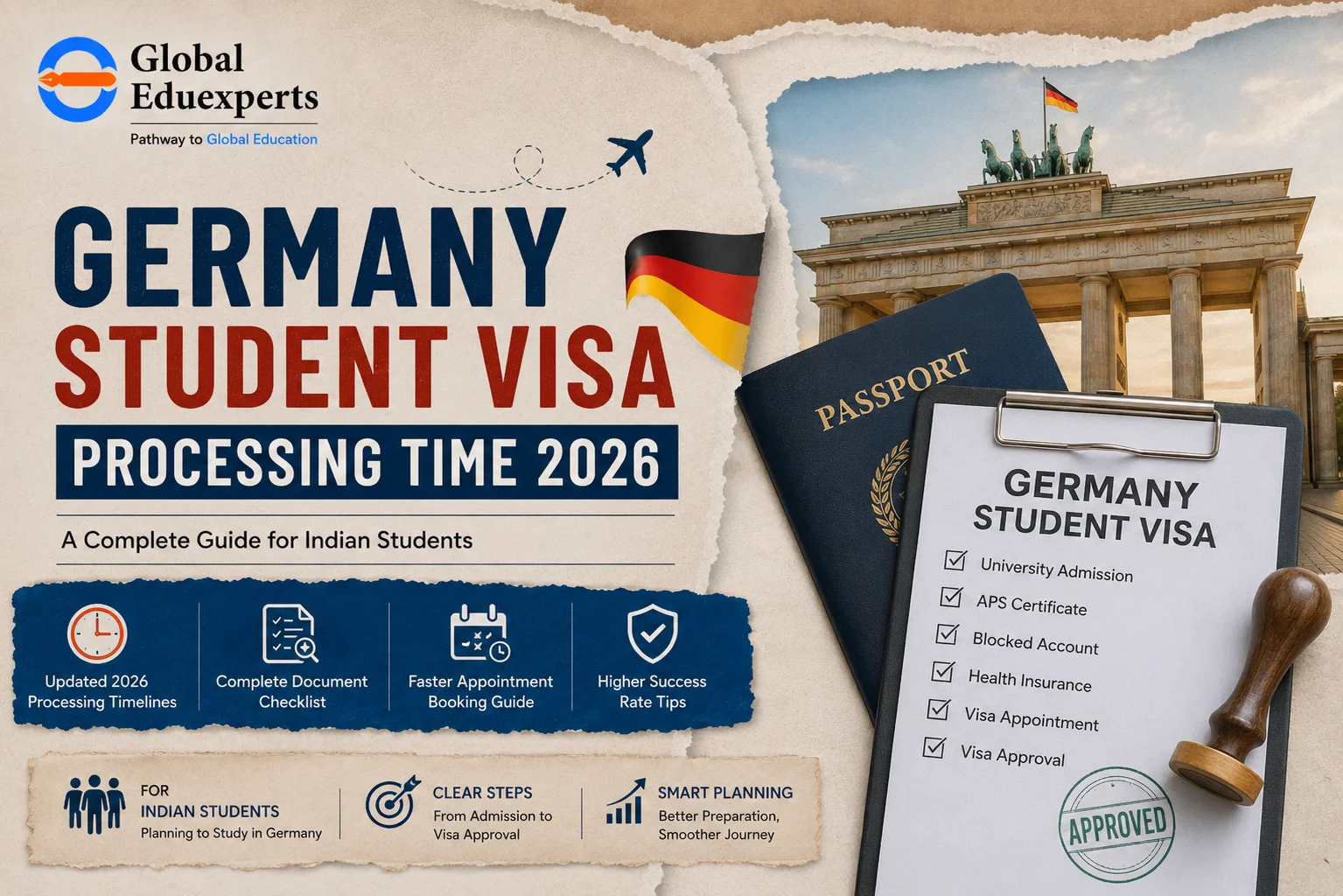
Planning a Germany student visa requires more than submitting an application. It involves understanding the visa processing timeline, preparing the...
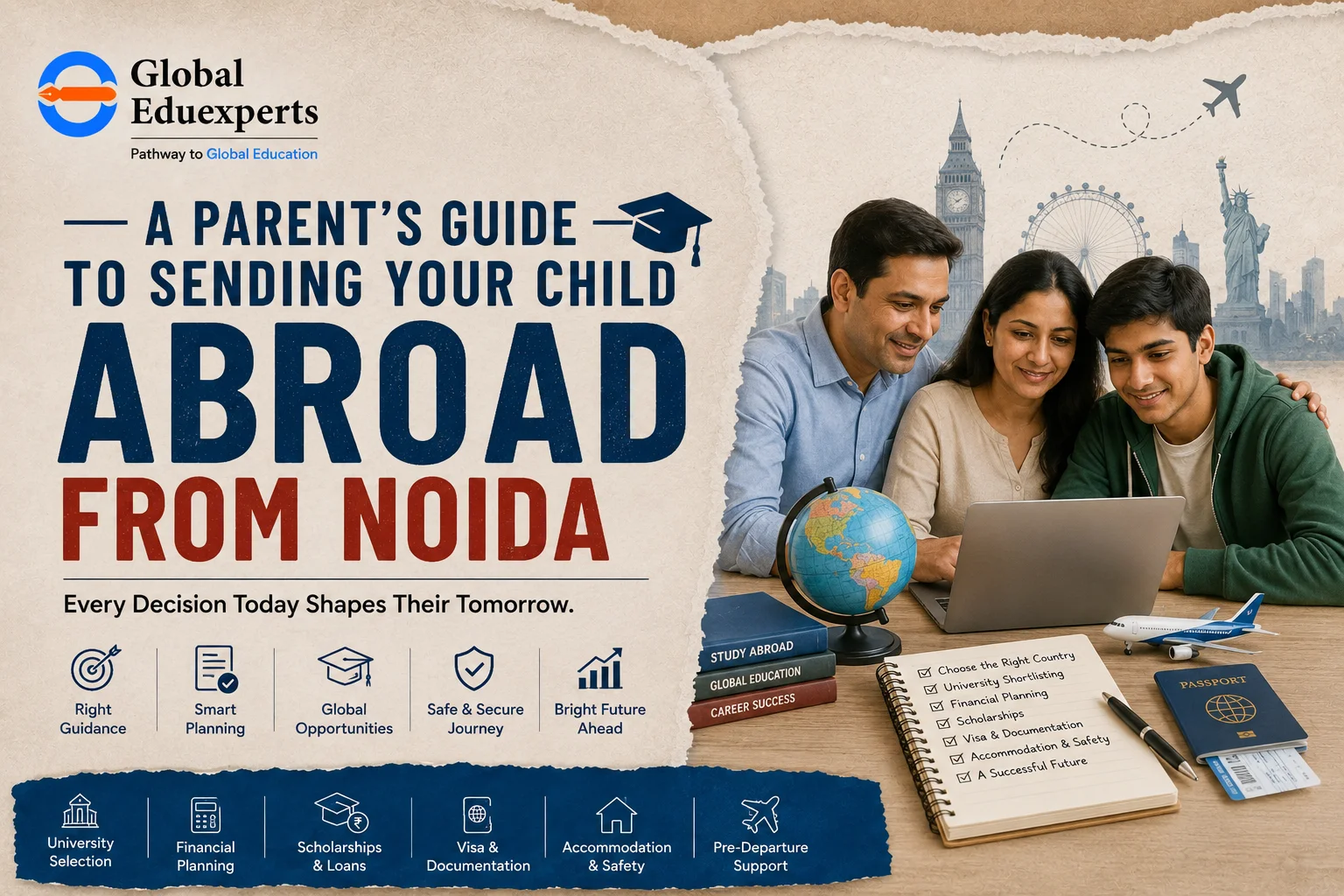
Sending a child abroad for higher education involves much more than securing university admission. It requires careful planning around course selec...
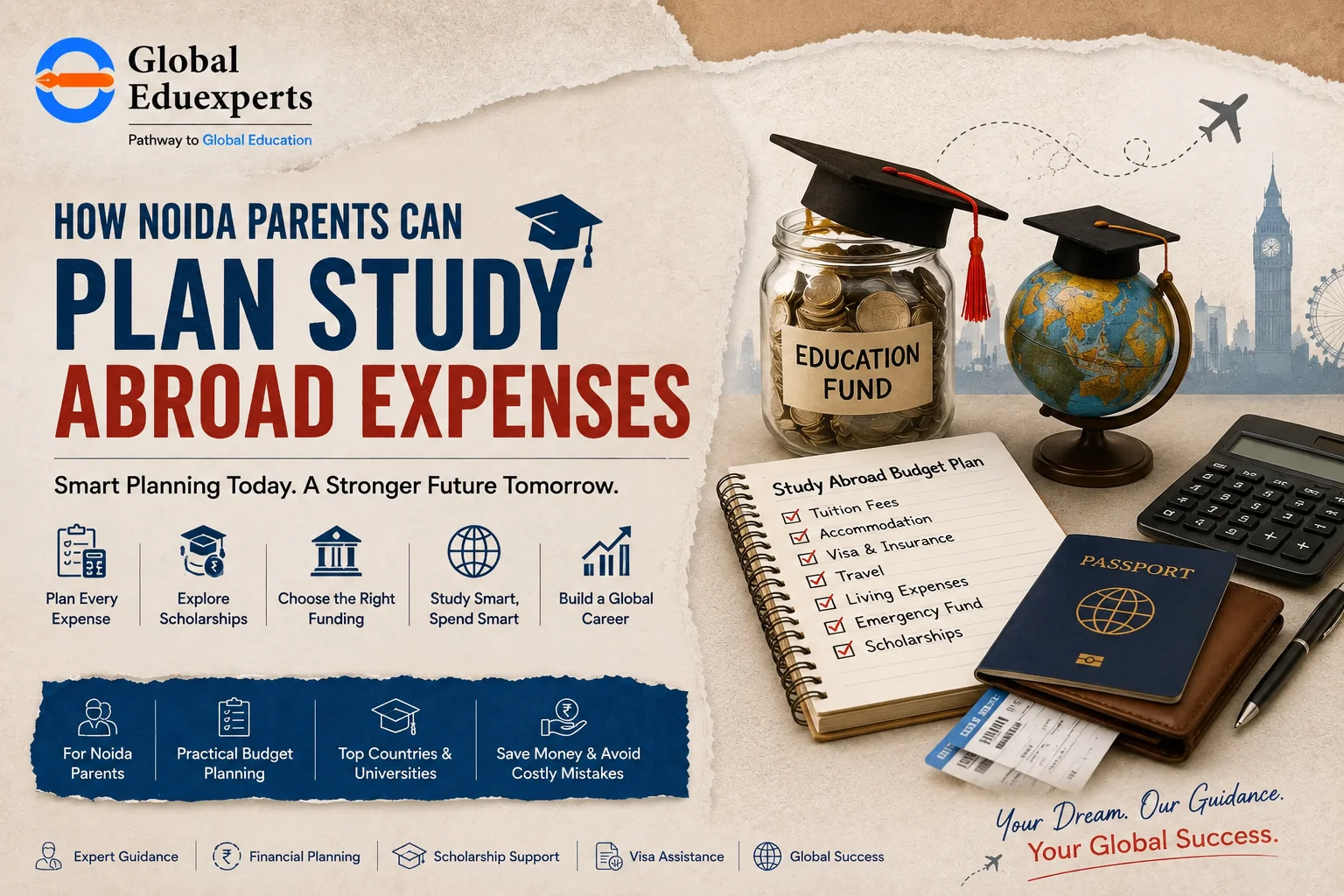
Planning study abroad expenses helps Noida parents make informed financial decisions before their child begins the overseas admission process. By u...
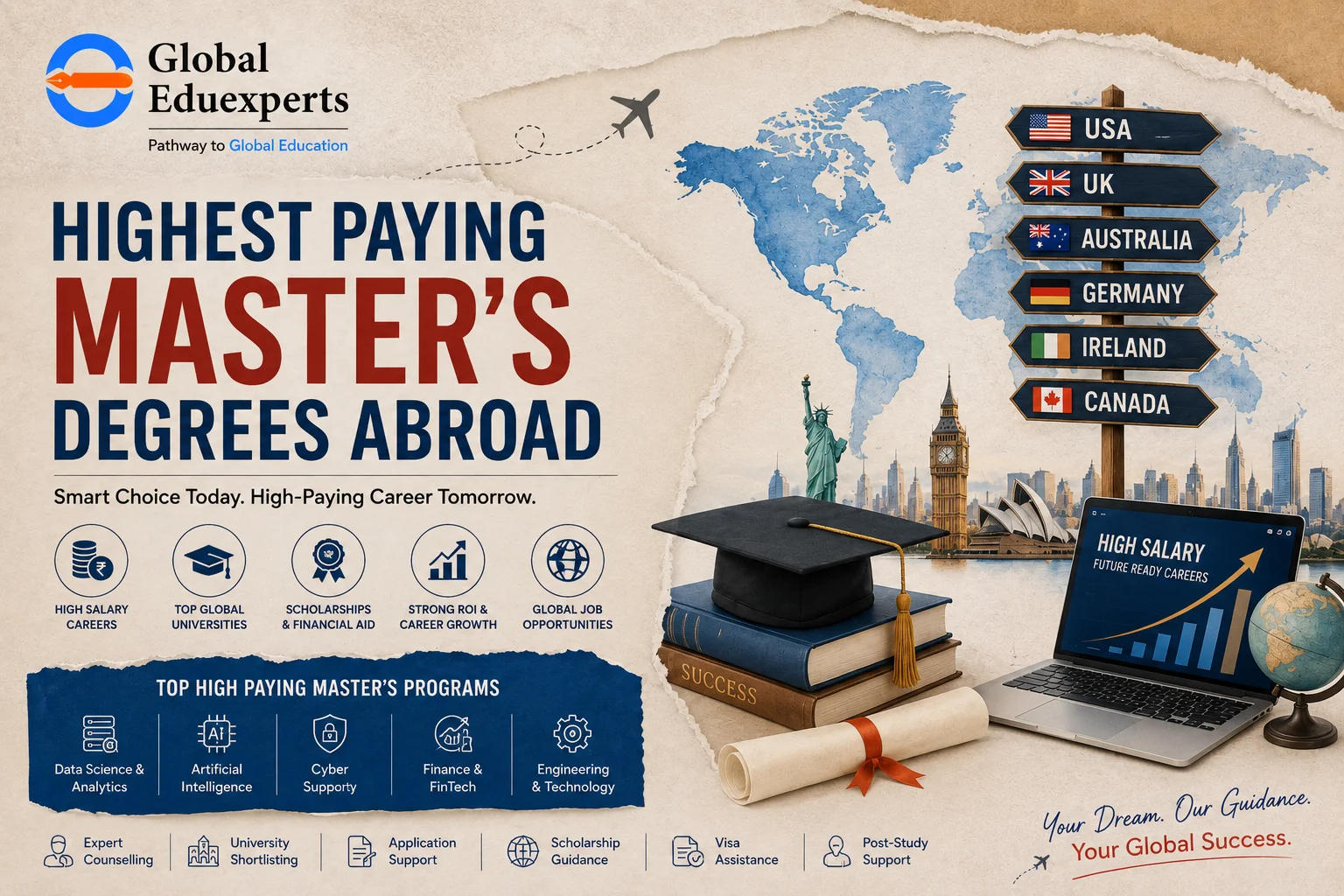
Pursuing one of the highest paying master's degrees abroad helps Indian students build specialized skills that are in demand across global industri...
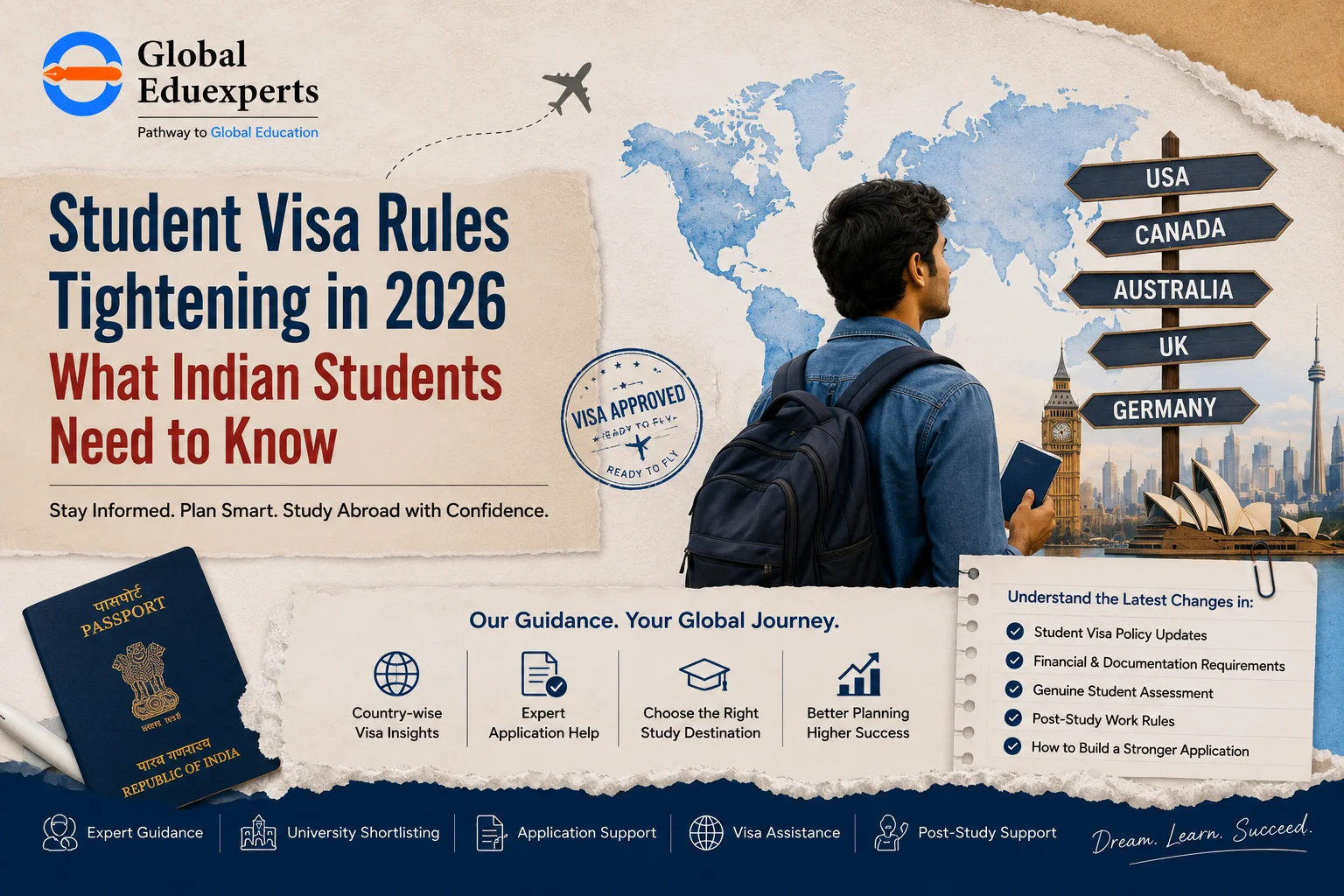
Understanding Student Visa Rules is essential for Indian students planning to study abroad in an evolving immigration landscape. This guide explain...


